What are the benefits of wearing lifting sleeves?
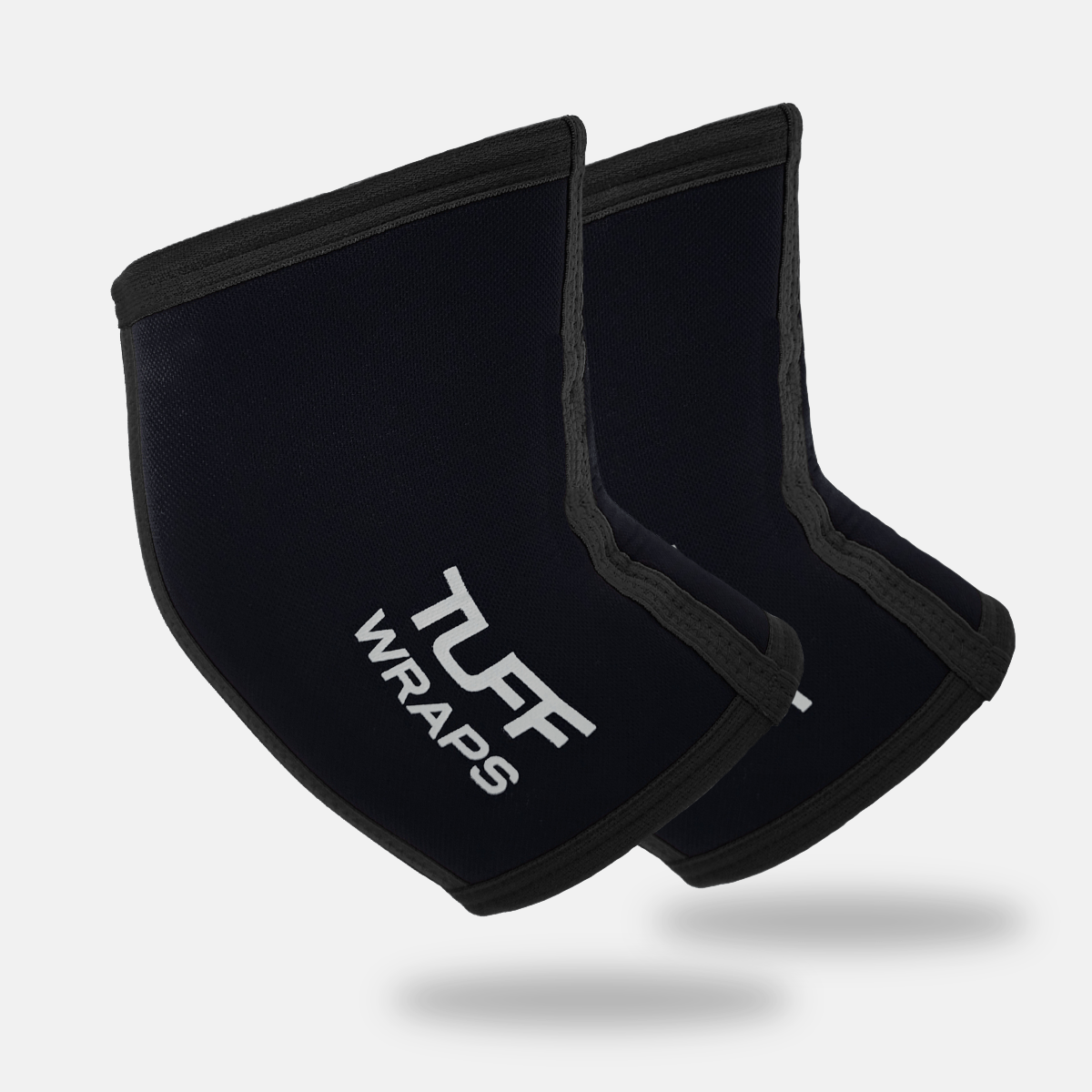
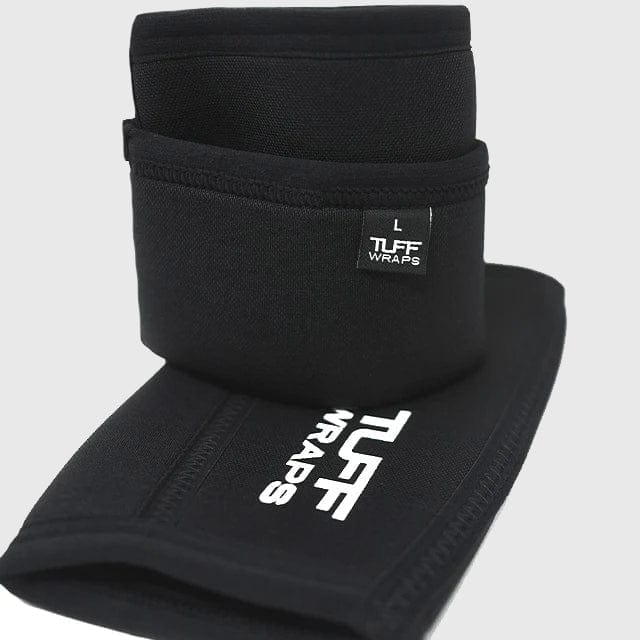
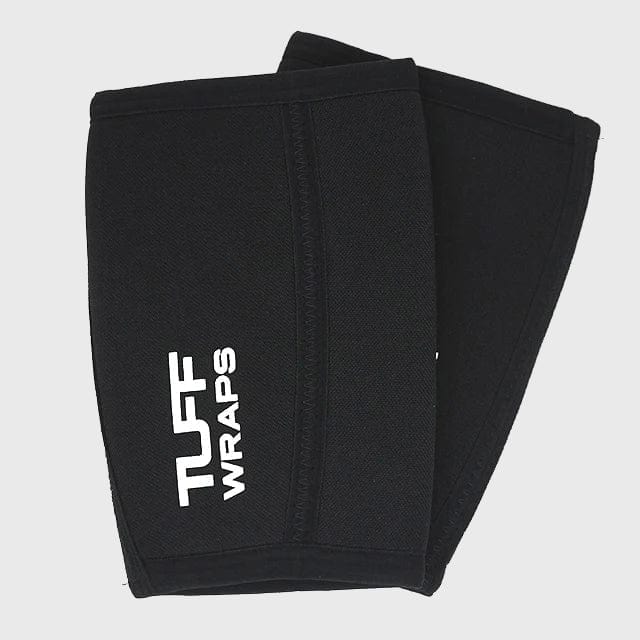
Lifting sleeves provide joint support, warmth, and proprioceptive feedback that enhances performance and reduces injury risk. They increase blood flow to target areas while offering compression that supports connective tissues during heavy lifts. Sleeves help maintain joint temperature between sets, preventing stiffness that can compromise form. The compression also provides psychological confidence during maximum effort attempts. Tuff long sleeves incorporate these benefits into premium construction that withstands intense training. Explore specialized options in knee sleeves and discover comprehensive protection through compression cuffs.
How do I find the right size for compression sleeves?
Proper compression sleeve sizing requires accurate measurements of the joint circumference at its largest point when relaxed. The sleeve should feel snug without cutting off circulation or creating bulges above or below. Tuff longsleeves sizing charts provide specific measurement guidelines for different sleeve types. Too loose provides insufficient support while too tight restricts movement and blood flow. Consider your muscle development and any swelling patterns during training. Reference detailed sizing in compression cuffs and compare fits across elbow sleeves.
Can I wear sleeves during powerlifting competitions?
Competition sleeve regulations vary by federation, but most allow sleeves that meet specific thickness and material requirements. Check your federation's rulebook for exact specifications on allowable sleeve types and measurements. Tuff usa sleeves often meet competition standards, but verification remains your responsibility. Practice with sleeves during training to ensure they don't negatively impact your lifting technique. Some federations distinguish between sleeves and wraps with different regulations. Verify competition compliance through elbow sleeves and explore options in knee sleeves.
What thickness sleeve should I get for heavy lifting?
Sleeve thickness selection depends on your lifting style, injury history, and personal preference. Thicker sleeves provide more support and warmth but may feel bulky during certain movements. Thinner sleeves offer subtle support with minimal bulk for lifters who prefer less restriction. Tuff usa produces sleeves in multiple thicknesses to accommodate different needs and preferences. Consider starting with medium thickness unless you have specific support requirements. Compare thickness options in knee sleeves and explore variations through compression cuffs.
How do I care for and clean my lifting sleeves?
Proper sleeve care extends their lifespan and maintains hygiene during regular training. Hand wash sleeves in cold water with mild detergent to preserve elasticity and compression properties. Avoid fabric softeners that can break down synthetic materials. Air dry completely before storage to prevent odor and bacterial growth. Turn sleeves inside out occasionally during washing to clean sweat-exposed surfaces. Tuff usa sleeves maintain their properties through proper care. Find care instructions with compression cuffs and maintain quality through elbow sleeves guidelines.
What is the difference between sleeves and wraps?
Sleeves slide on like compression garments and provide consistent, moderate support throughout your training session. Wraps involve adjustable wrapping techniques that allow variable compression and support levels for specific lifts. Sleeves offer convenience and consistent compression while wraps provide customizable support intensity. Tuff usa produces both categories to serve different training needs and competition requirements. Sleeves work better for general training while wraps excel for maximum effort attempts. Compare options in elbow sleeves and explore wrapping alternatives through knee sleeves.