How do I wrap my knees properly for squats?
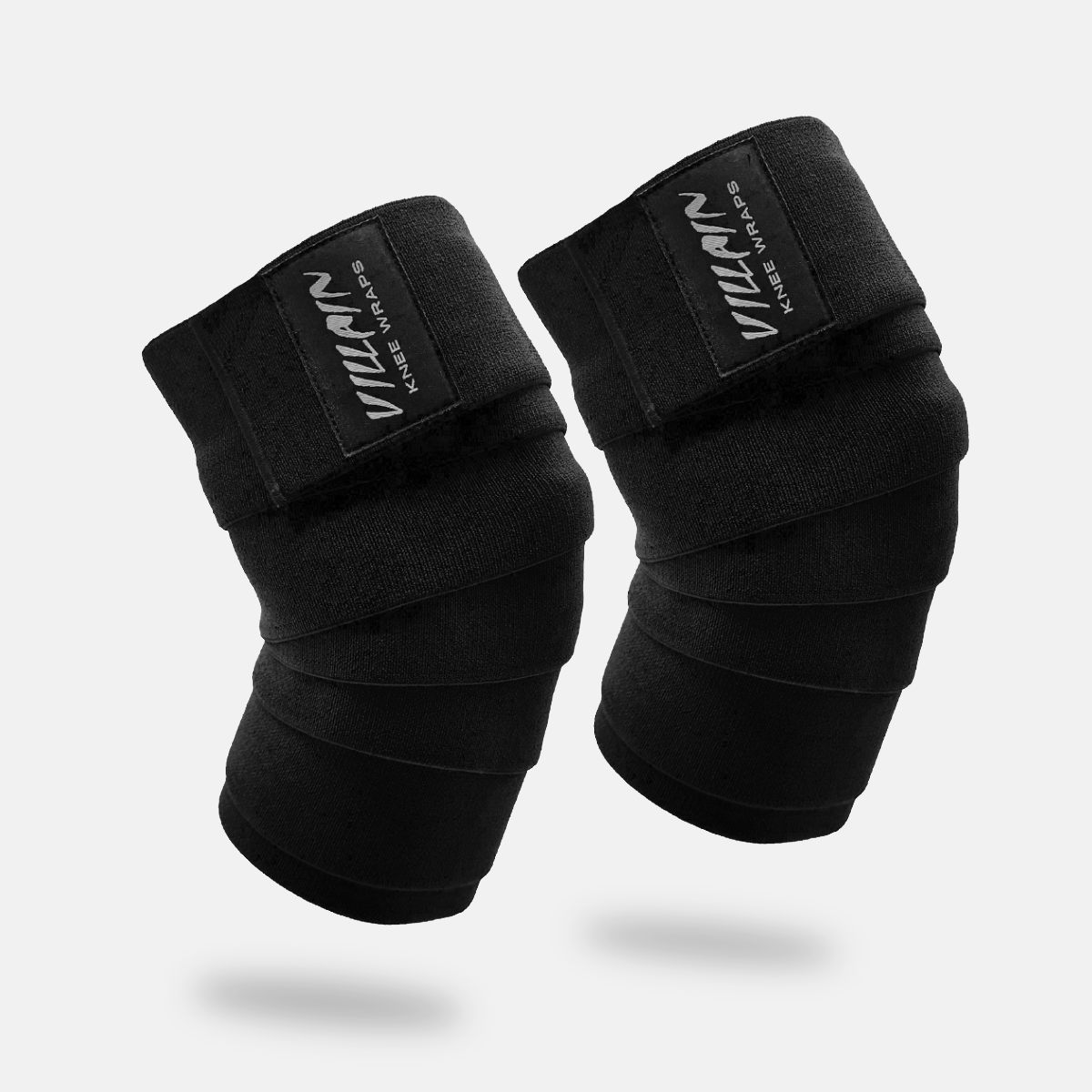
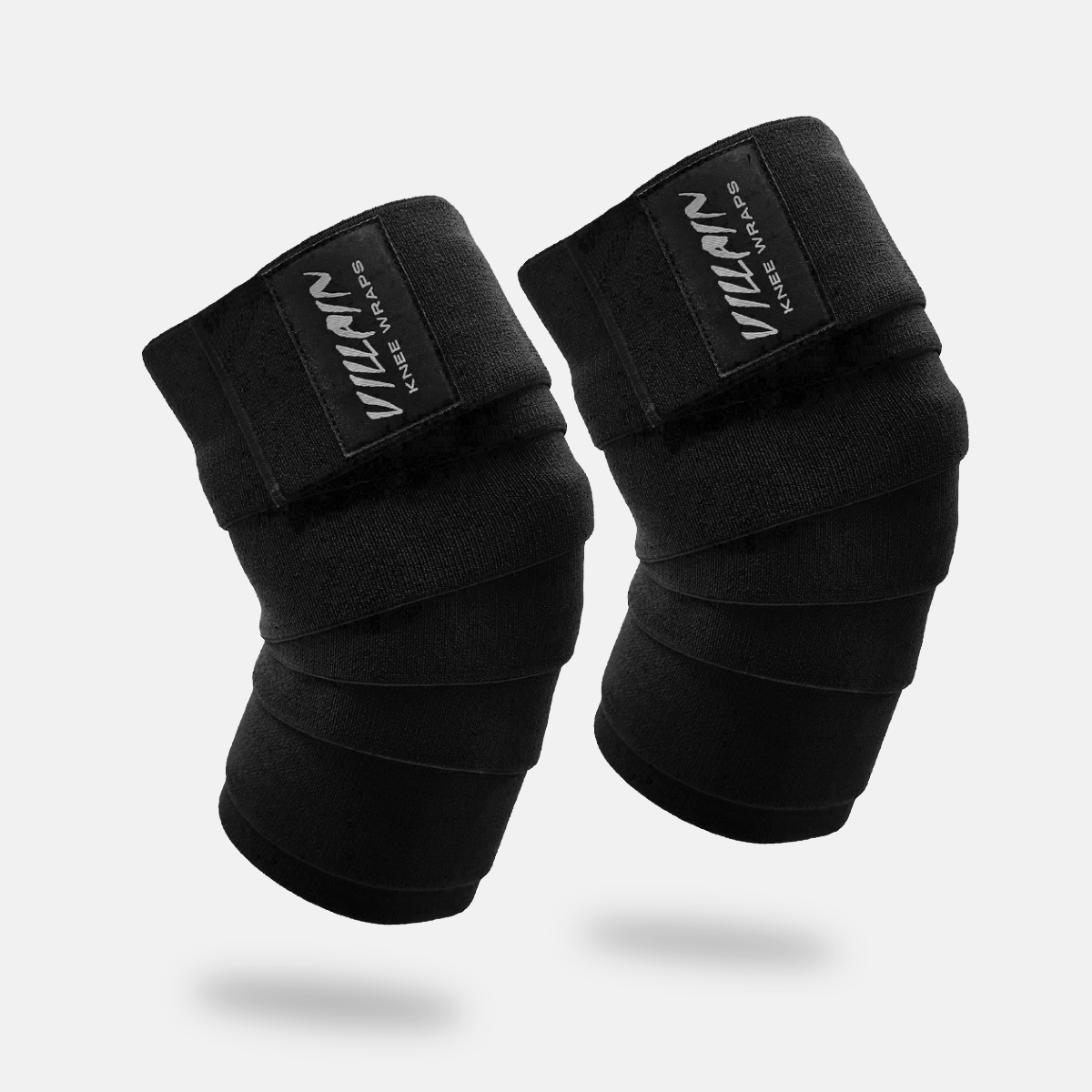
Start just below the knee cap and wrap upward in a spiral pattern, overlapping each layer by about half. Pull firmly but not so tight that you lose feeling in your lower leg. Finish above the knee and tuck the end securely. The wrap should feel supportive at the bottom of your squat and give you a slight rebound out of the hole. Practice your wrapping technique with lighter weights before going heavy.
What is the difference between knee wraps and knee sleeves?
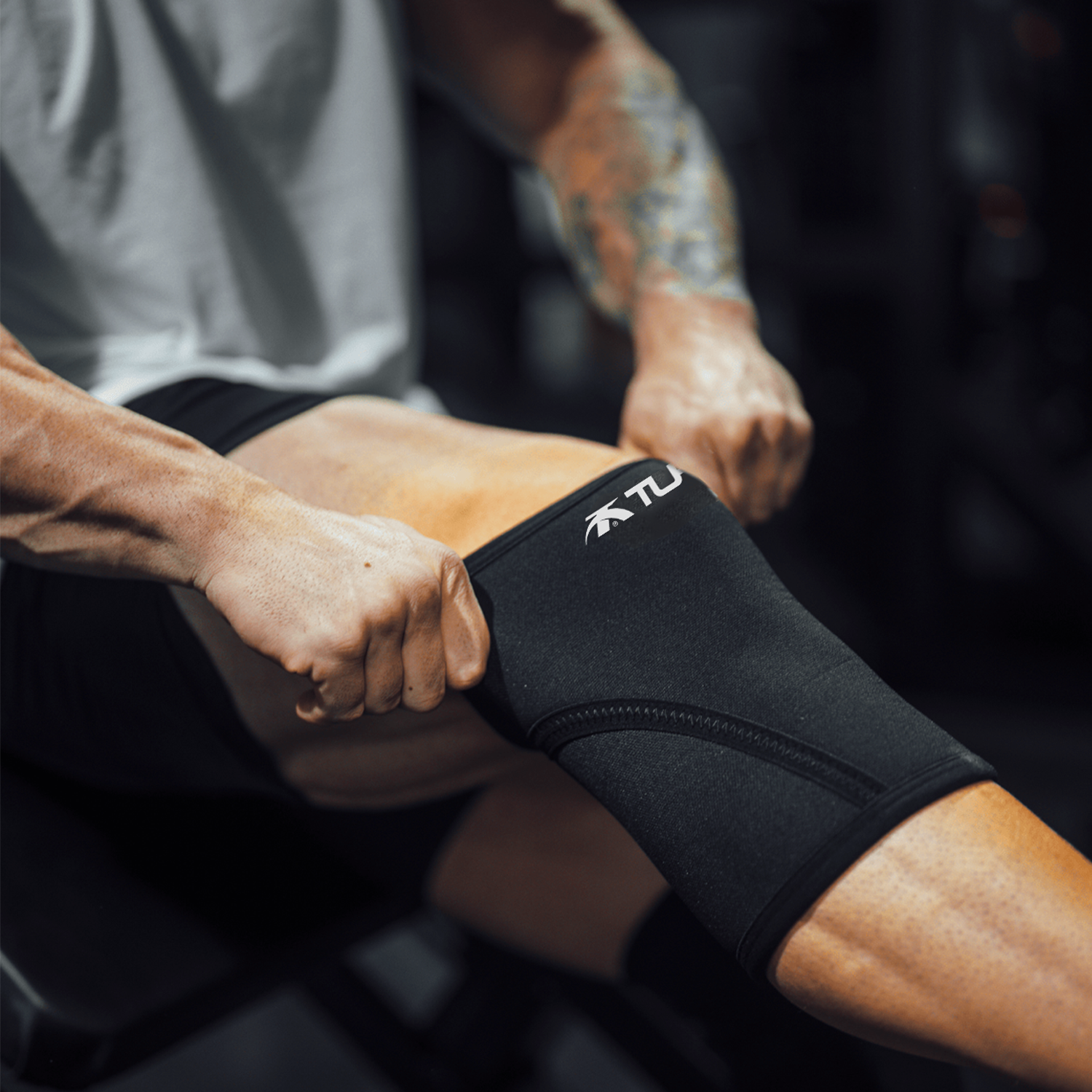
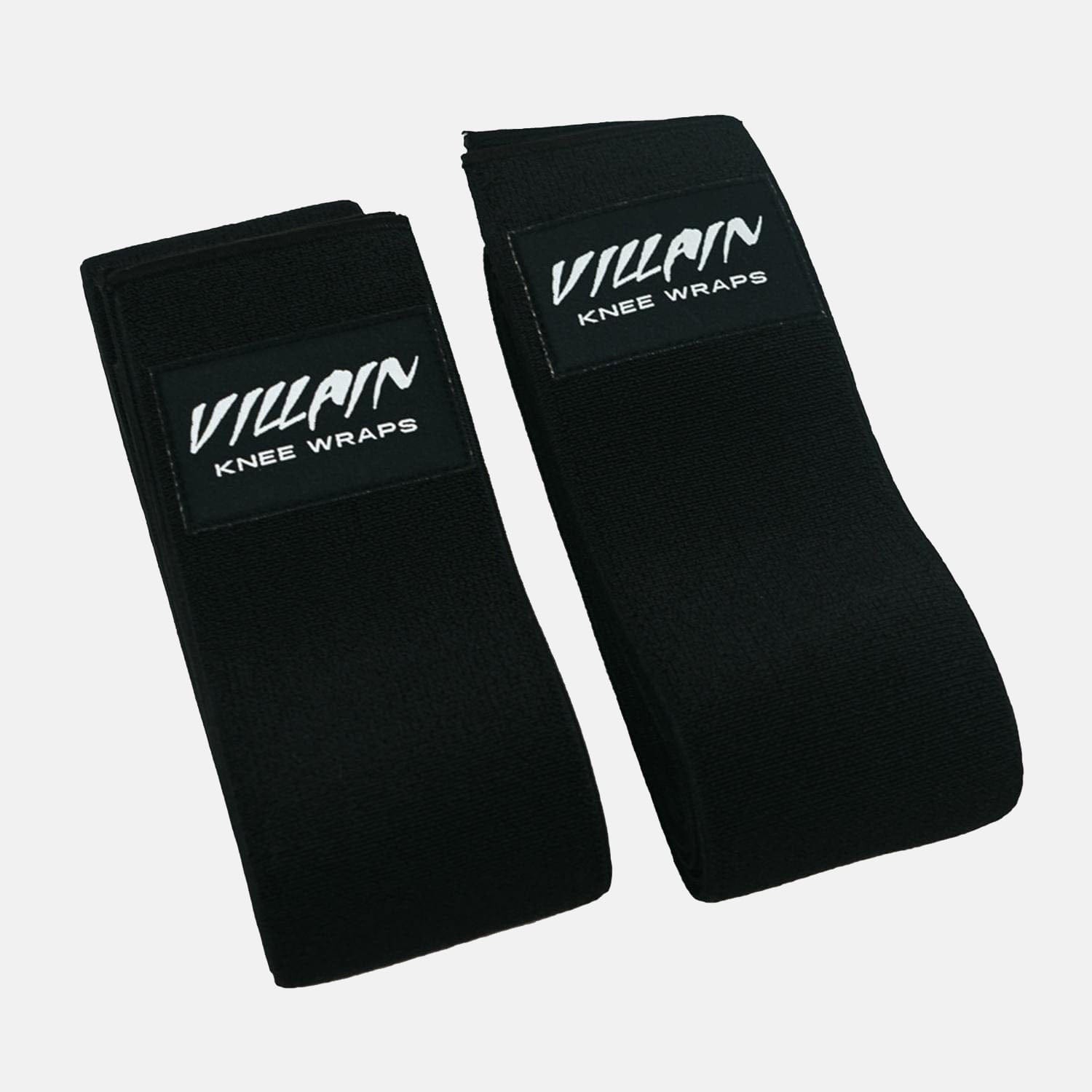
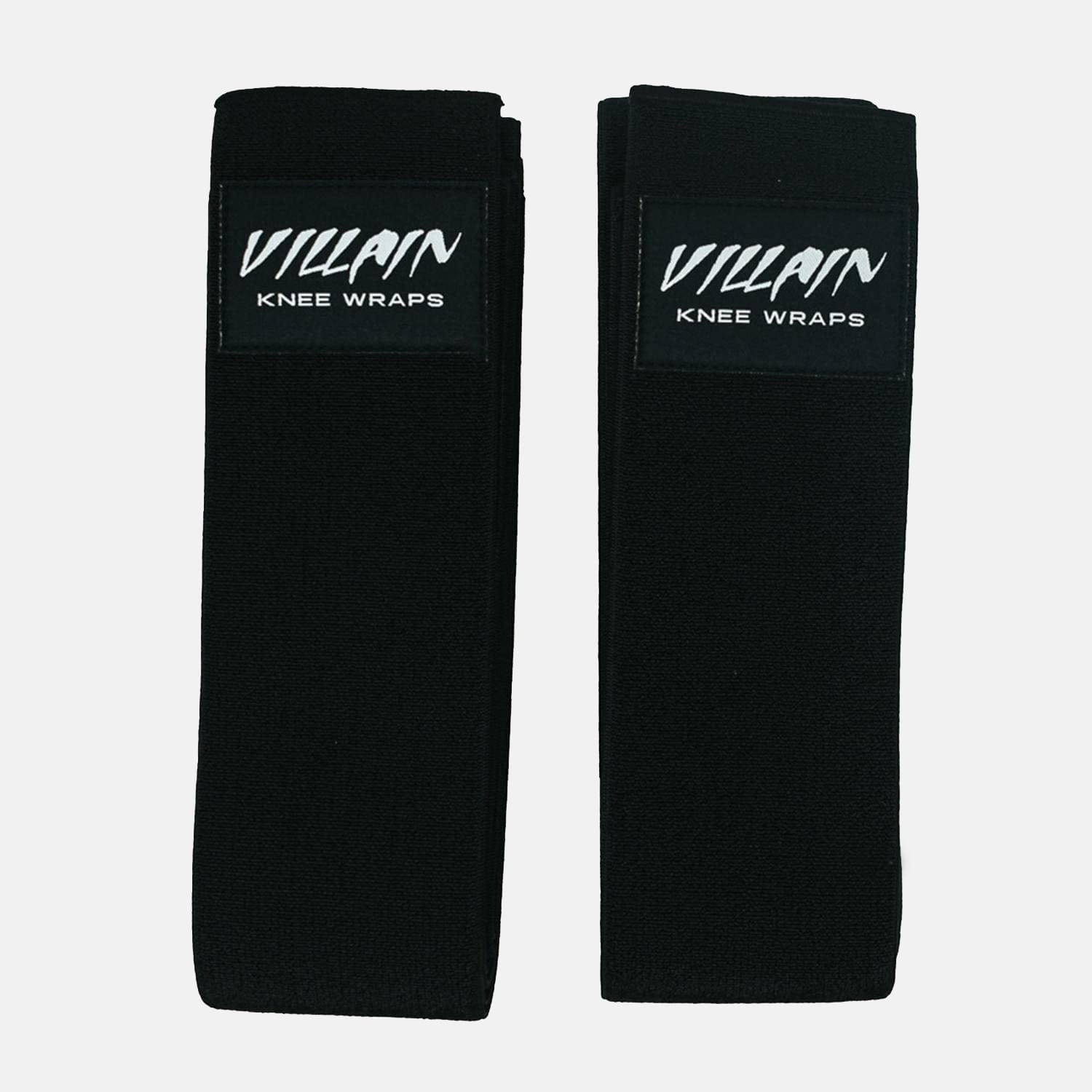
Knee wraps are elastic bandages that you wind around the joint for maximum compression and energy return during heavy squats. Knee sleeves are pull-on neoprene supports that provide warmth and moderate compression. Wraps are typically used for max effort lifting and competition, while sleeves are better for everyday training.
How tight should knee wraps be for powerlifting?
Your knee wraps should be tight enough to feel significant compression at the bottom of your squat but not so tight that you cannot complete your walkout or feel numbness. Most lifters wrap tighter for competition attempts and slightly looser for training. A good rule is to wrap them at about 80% of maximum tightness for training sets and save the full wrap for heavy singles and meet day.
Are knee wraps allowed in powerlifting competitions?
Yes, but it depends on the division. Most powerlifting federations offer both a "wrapped" division and a "raw" or "classic" division. In the wrapped division, knee wraps up to a certain length (usually 2 meters or 2.5 meters) are permitted. In the raw division, only knee sleeves are allowed. Always check your specific federation's rulebook before competing to confirm equipment requirements.
How do I choose the right knee wraps for squats?
Consider your experience level and goals. Stiffer wraps provide more support and rebound for heavier weights but require more practice to wrap correctly. Stretchy wraps are more forgiving and easier to apply, making them great for beginners. Length matters too. Longer wraps (2.5m) give more coverage and compression. If you are new to wraps, start with a medium stiffness and work your way up as your squat progresses.
Do knee wraps actually help you squat more weight?
Yes. Knee wraps store elastic energy as you descend into the squat and release it as you drive up, which can add 5% to 15% to your squat depending on the wrap stiffness and how tightly they are applied. They also provide joint compression that many lifters find reduces discomfort under heavy loads. However, it is important to also train without wraps to build raw strength.