What is the difference between knee sleeves and knee wraps?
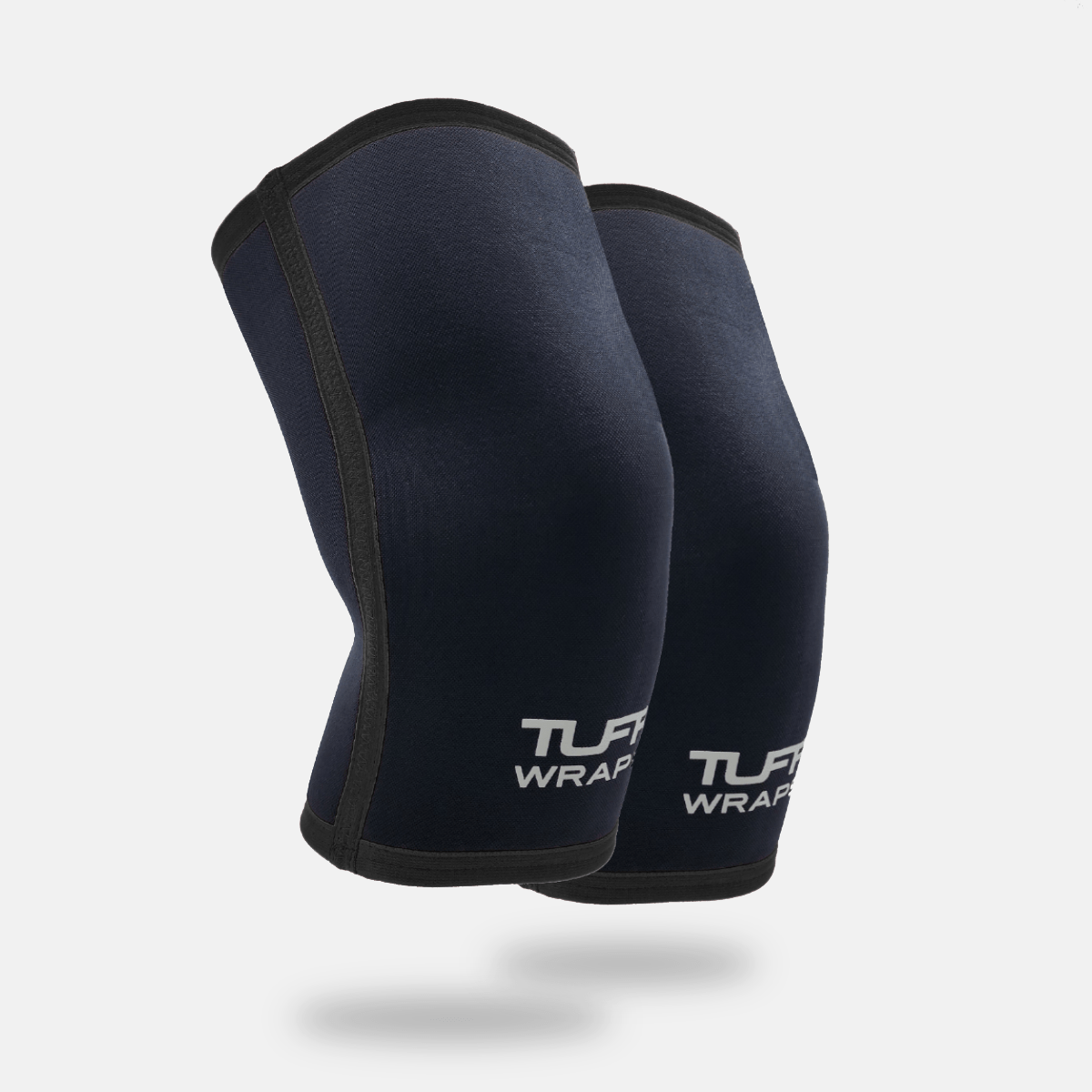
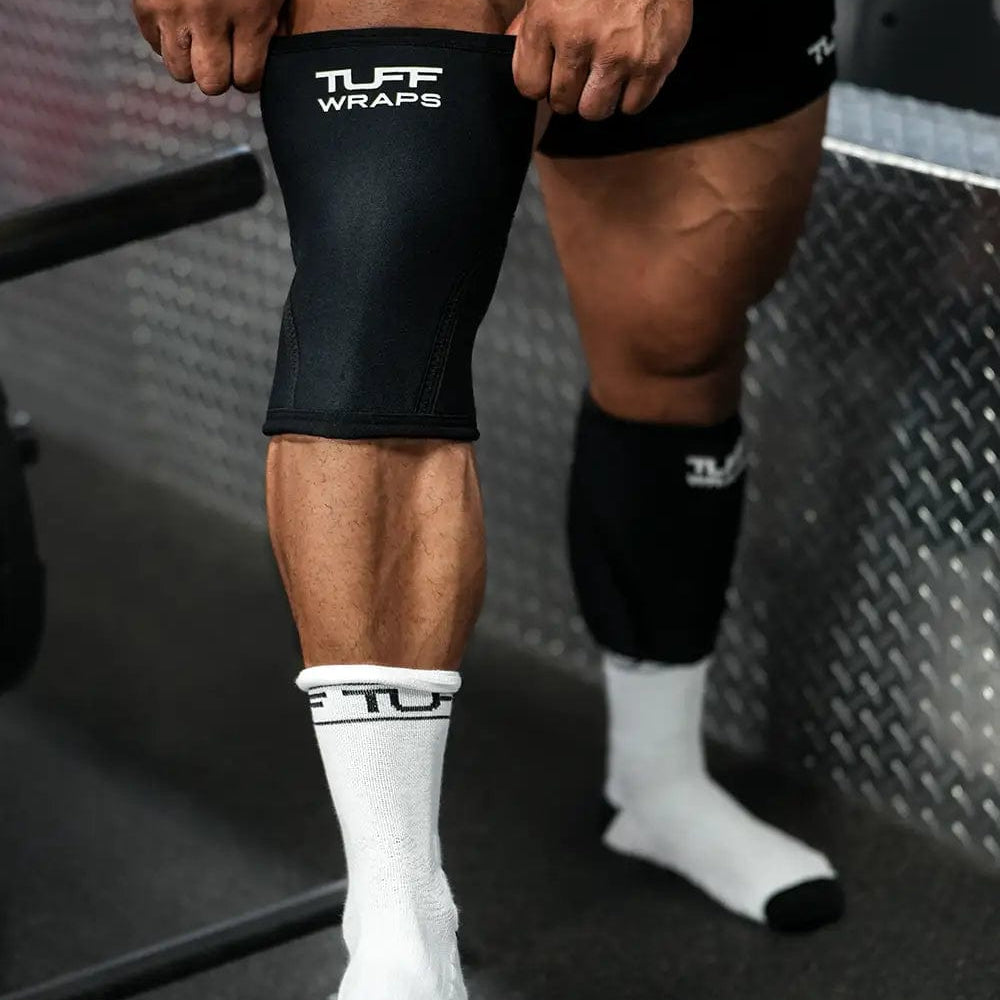
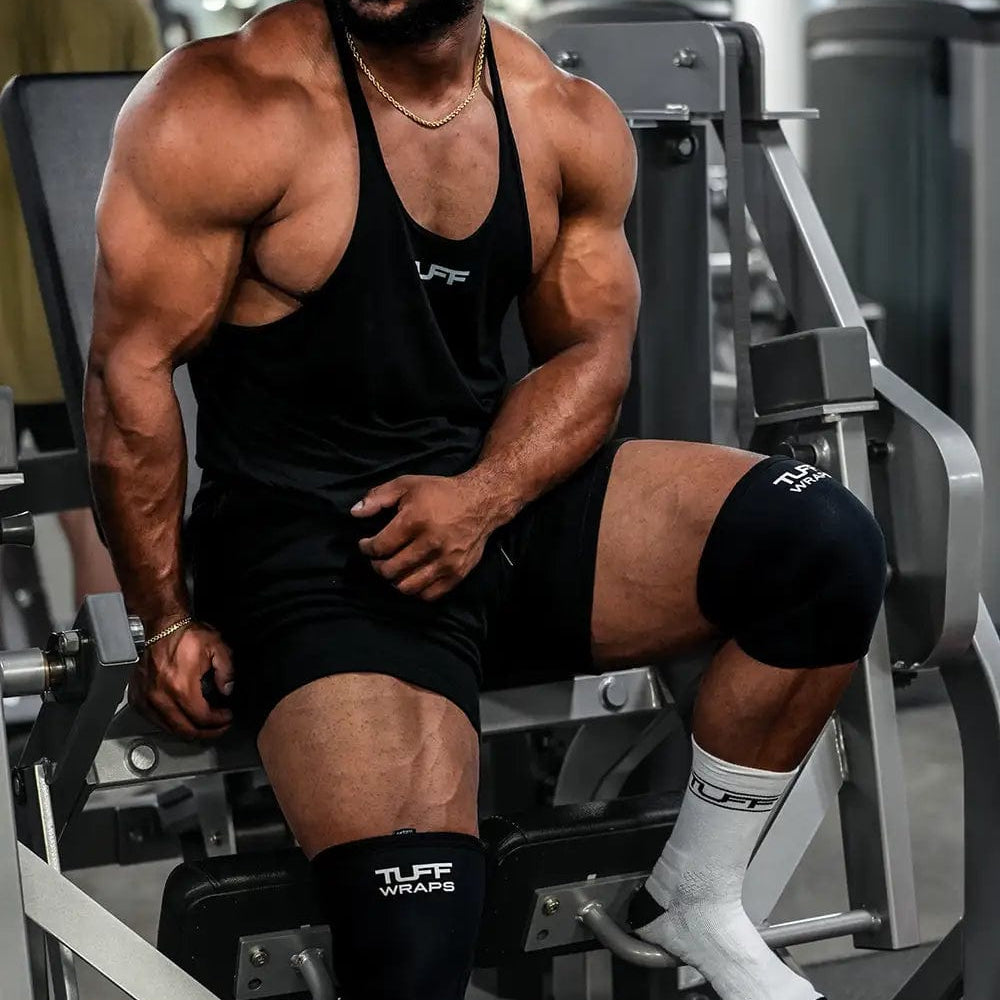
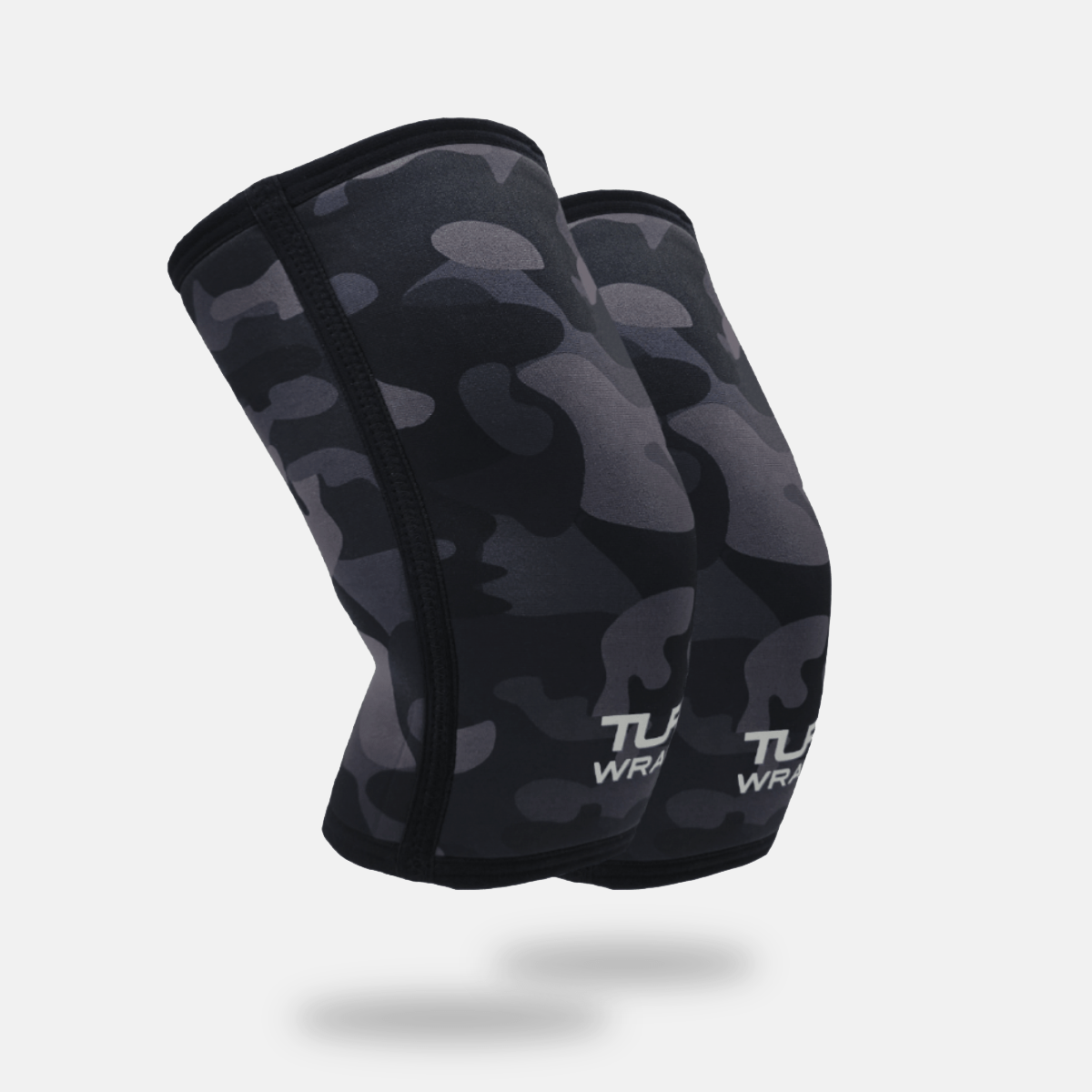
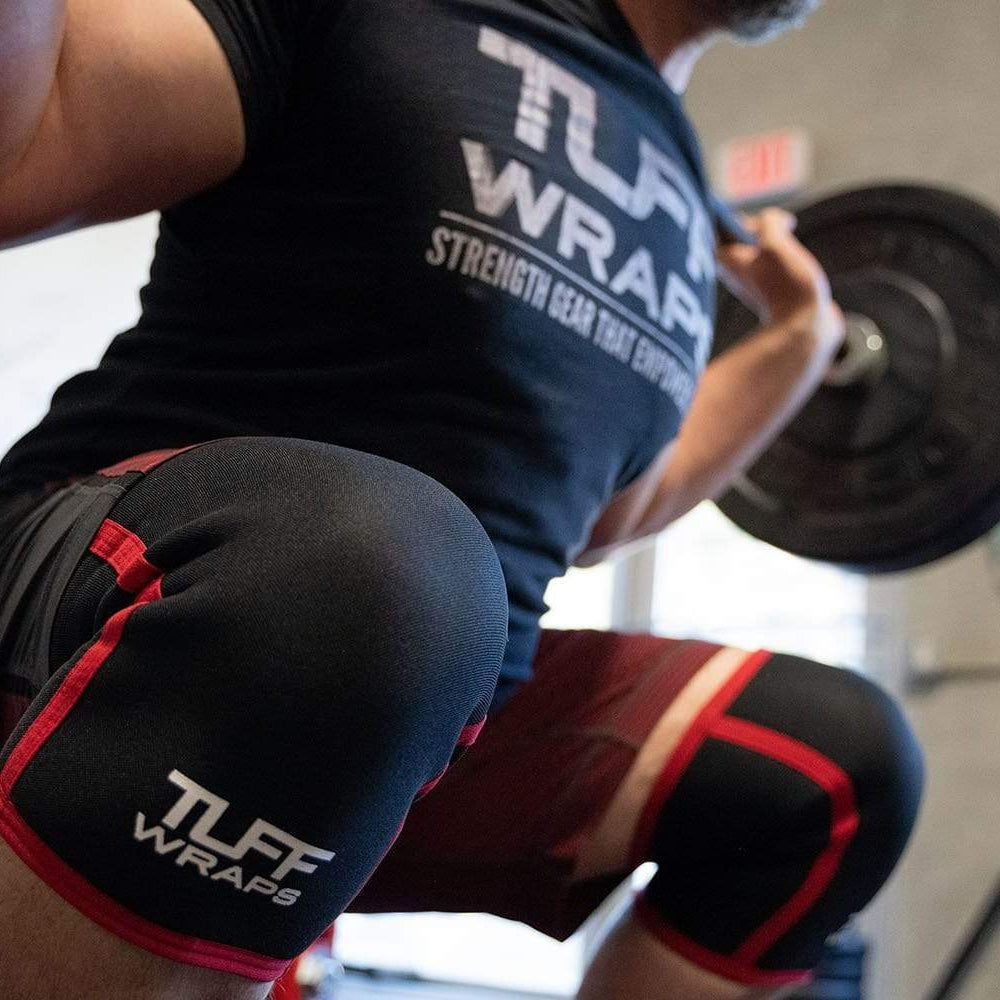
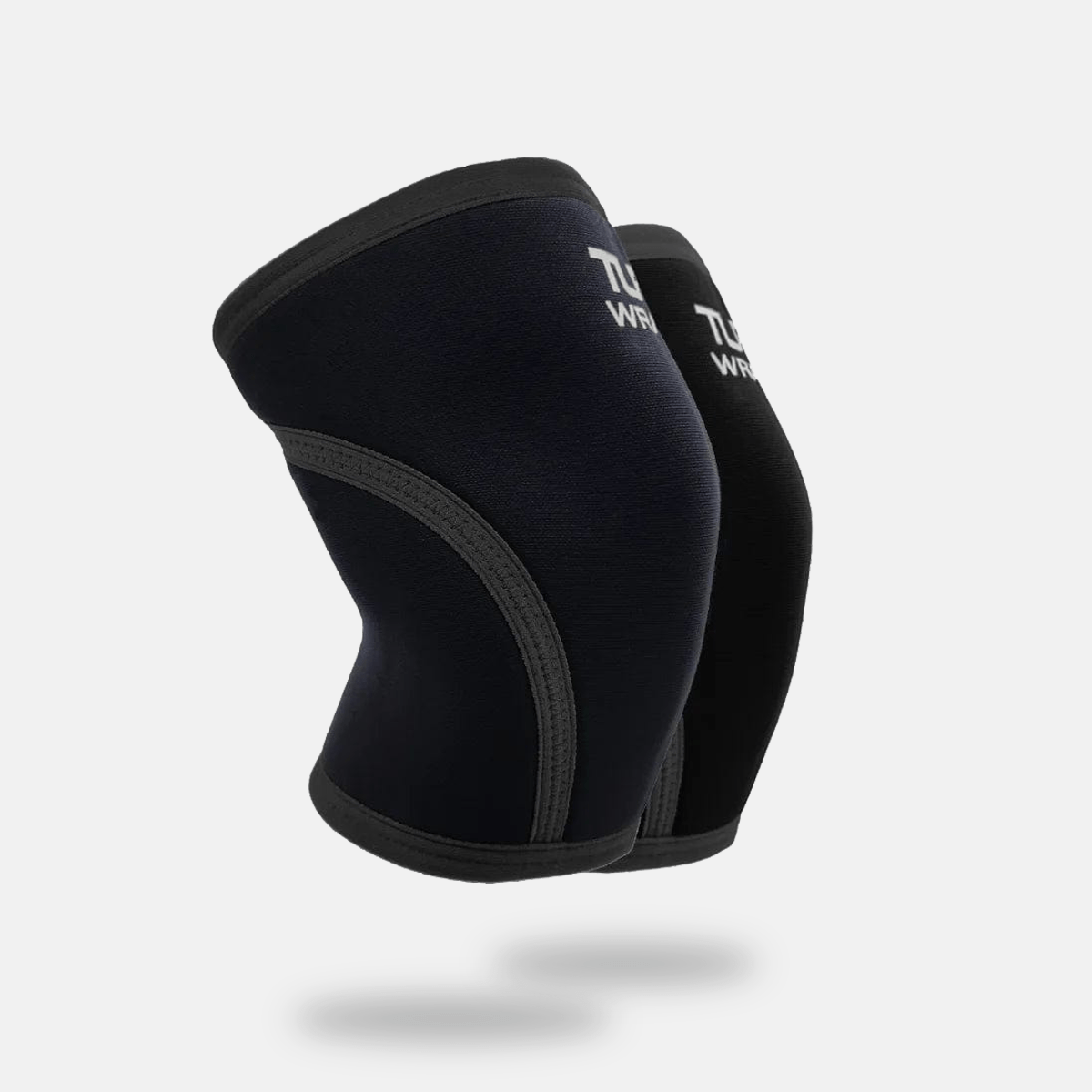
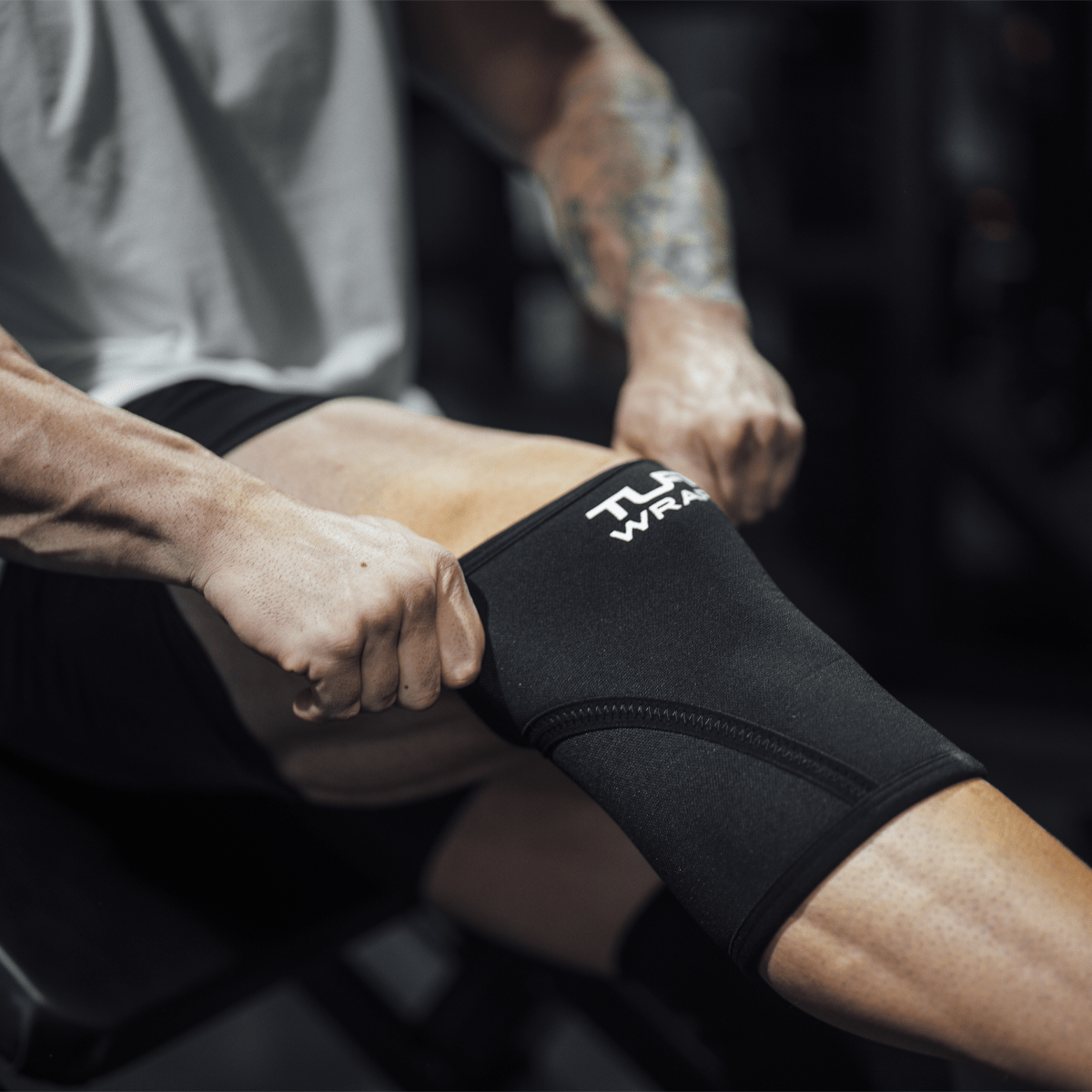
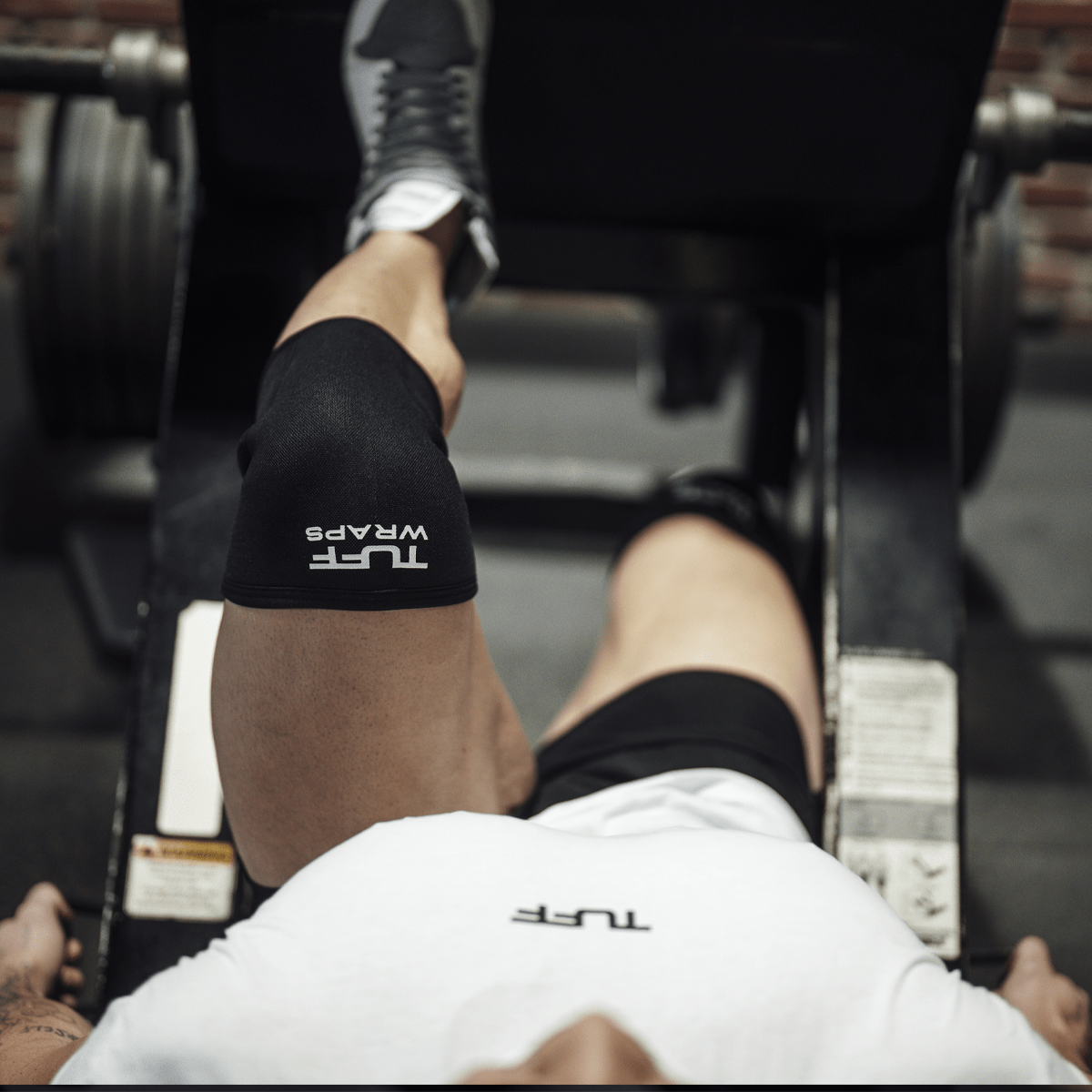
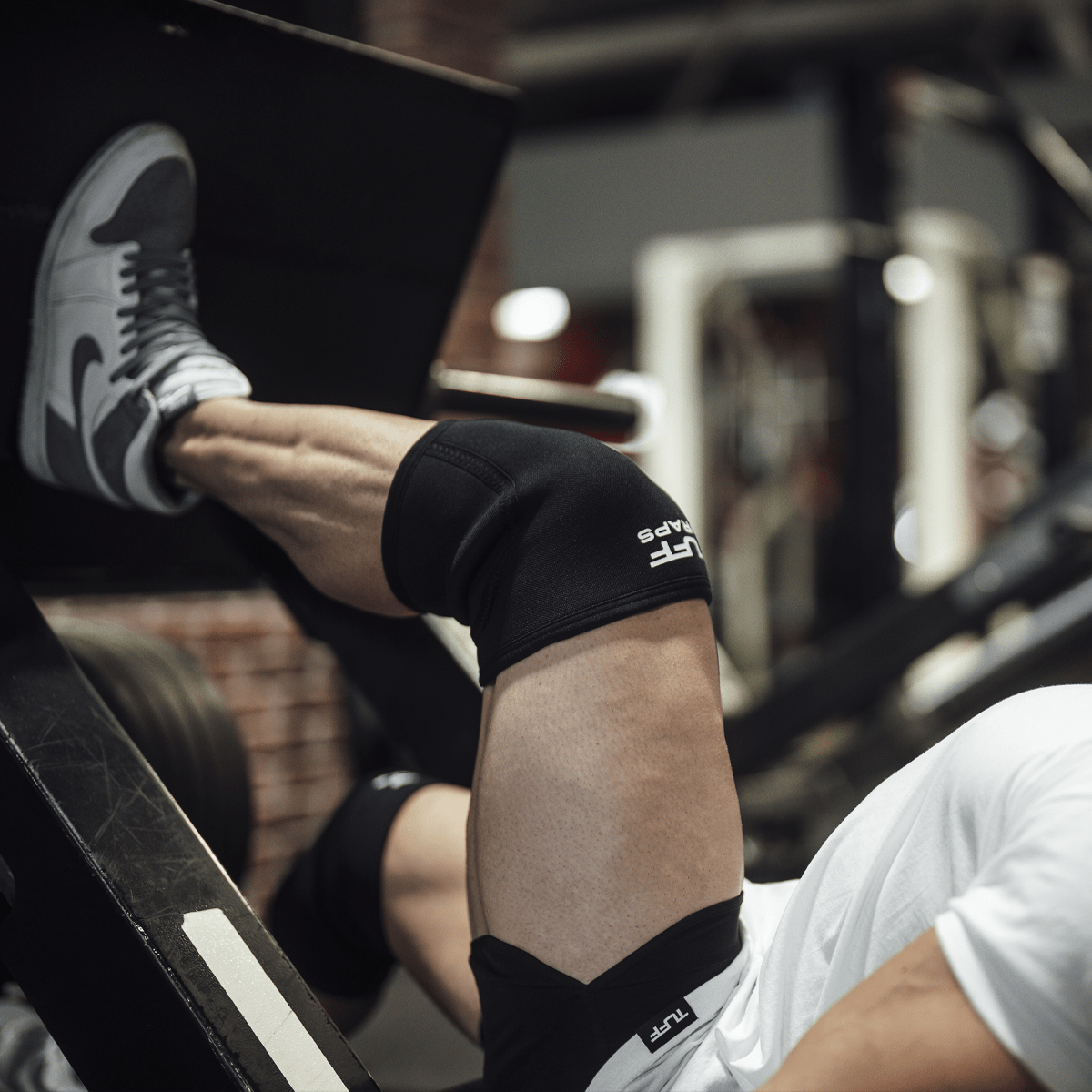
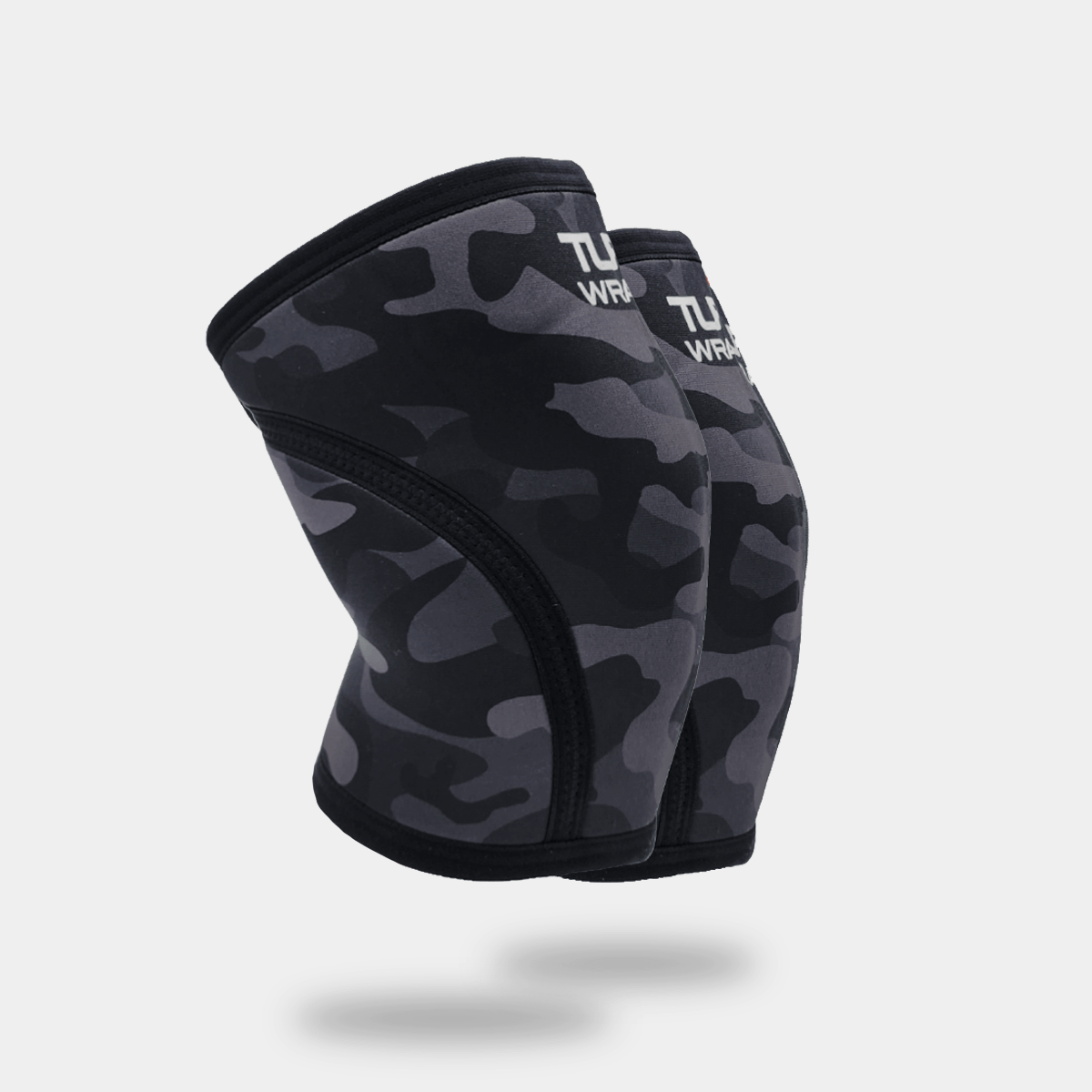
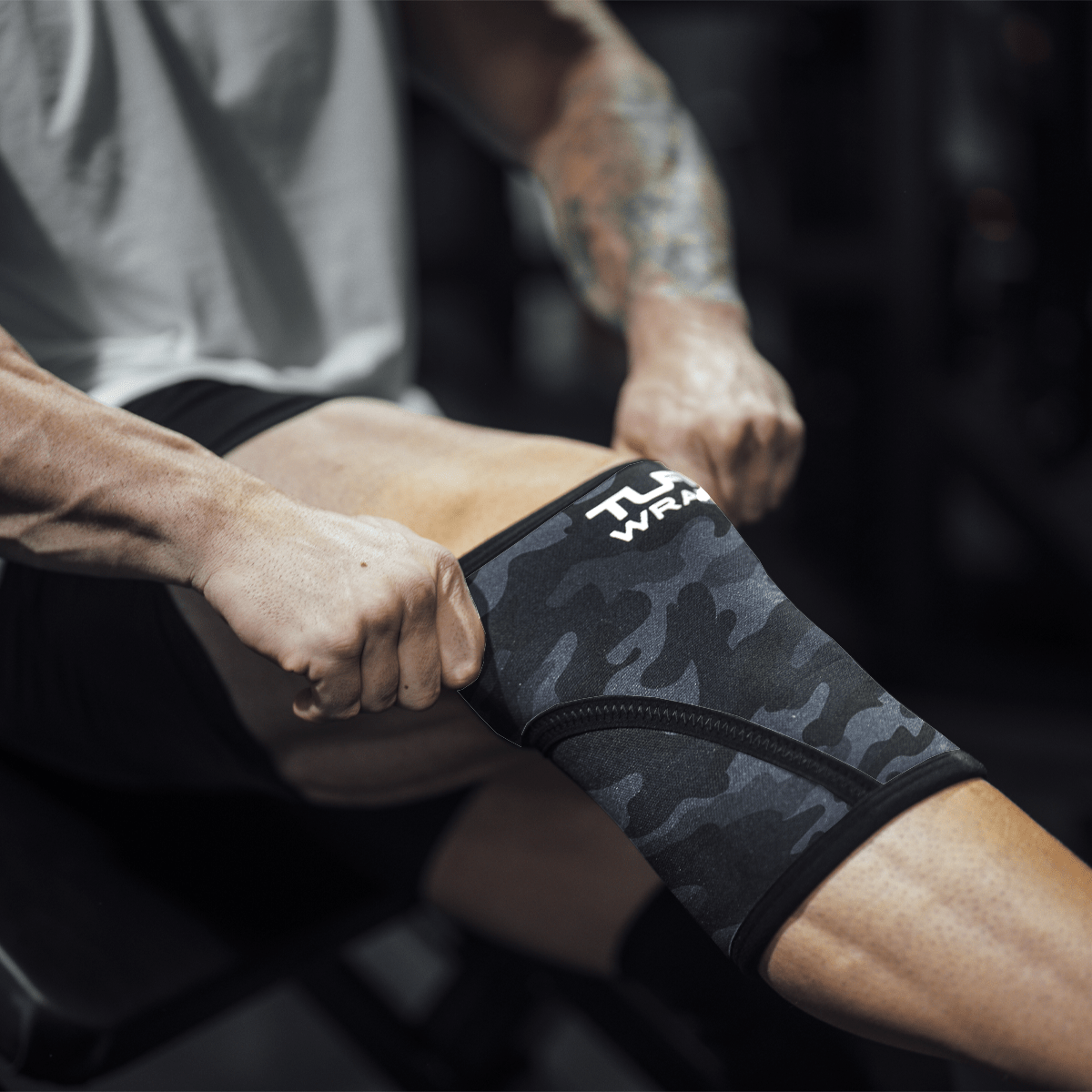
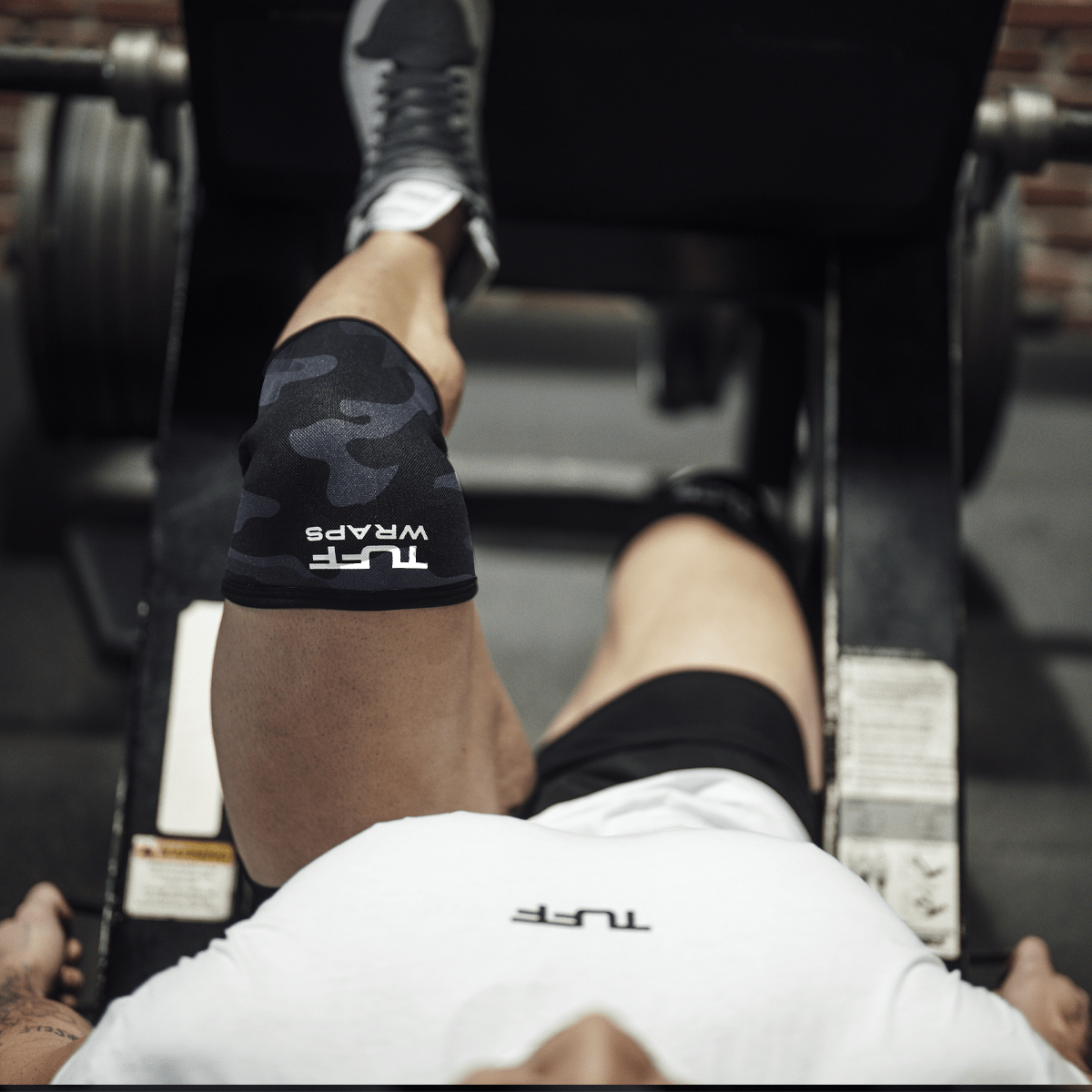
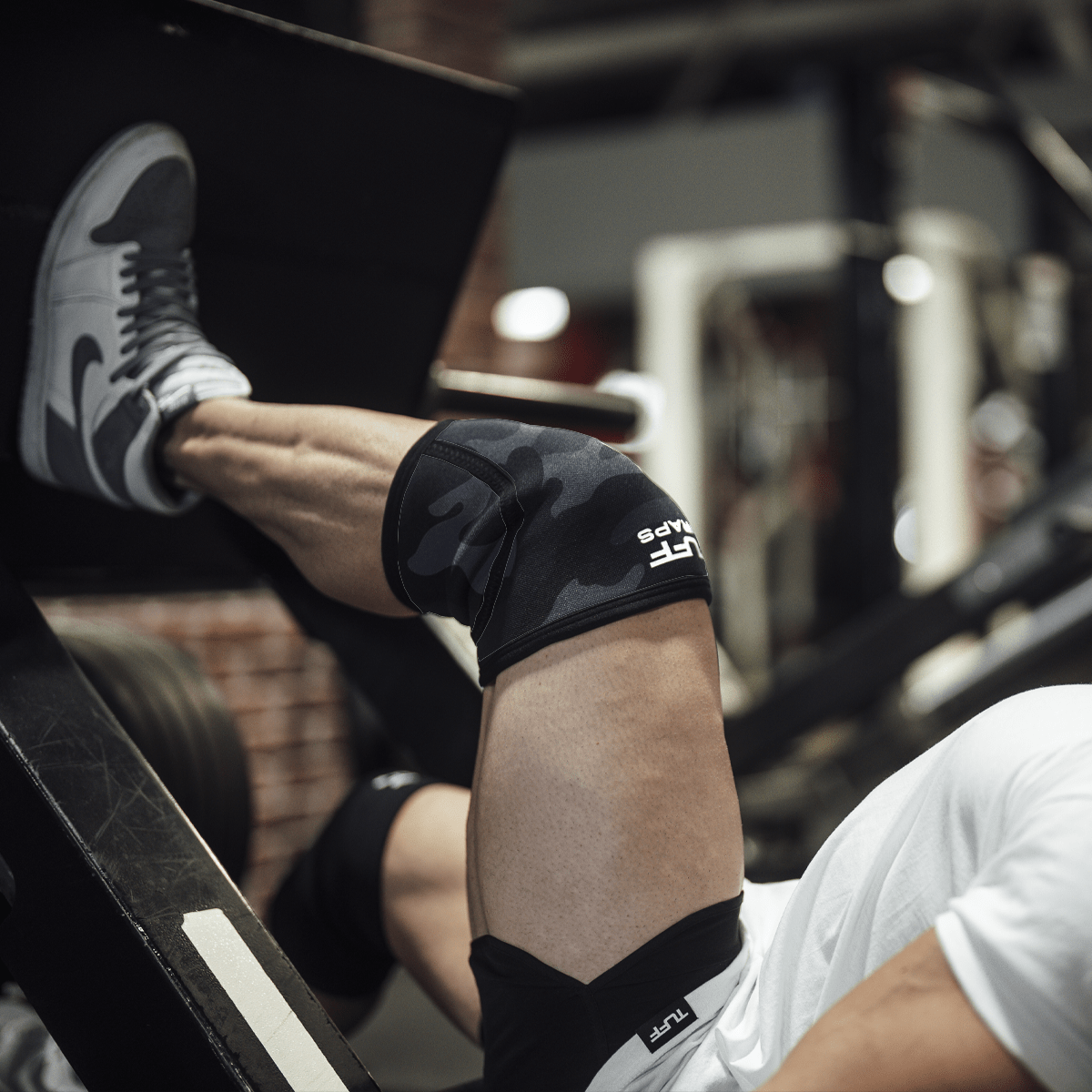
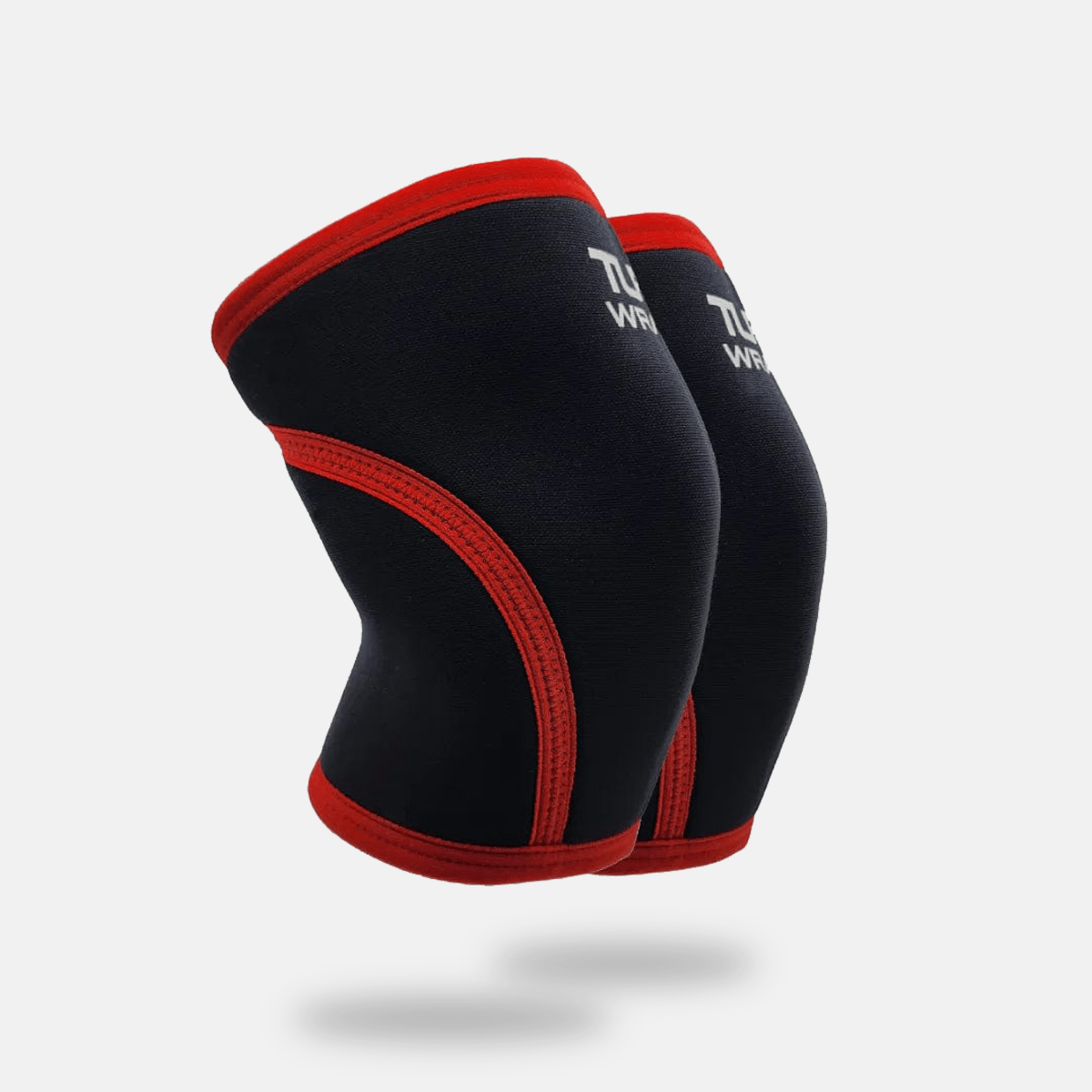
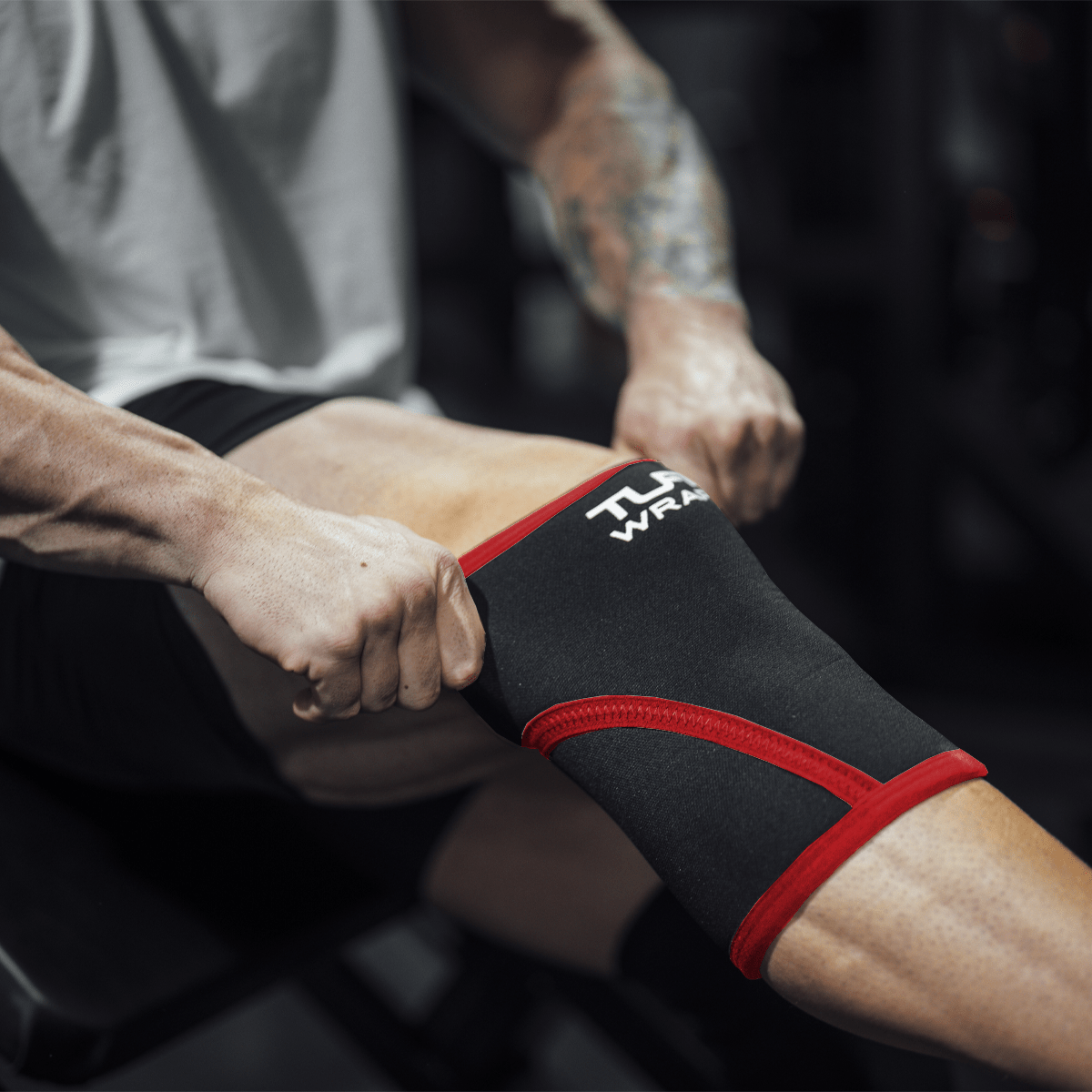
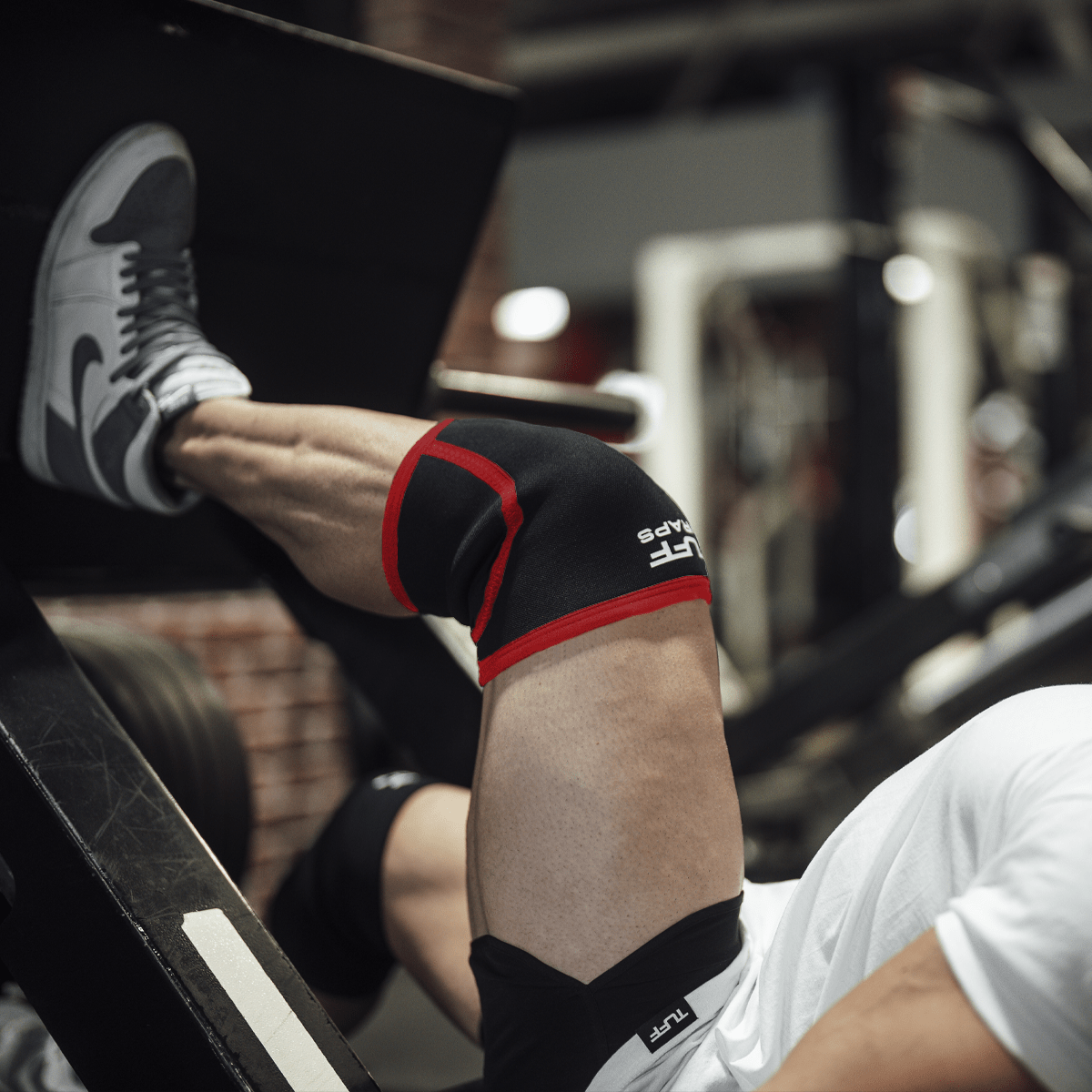
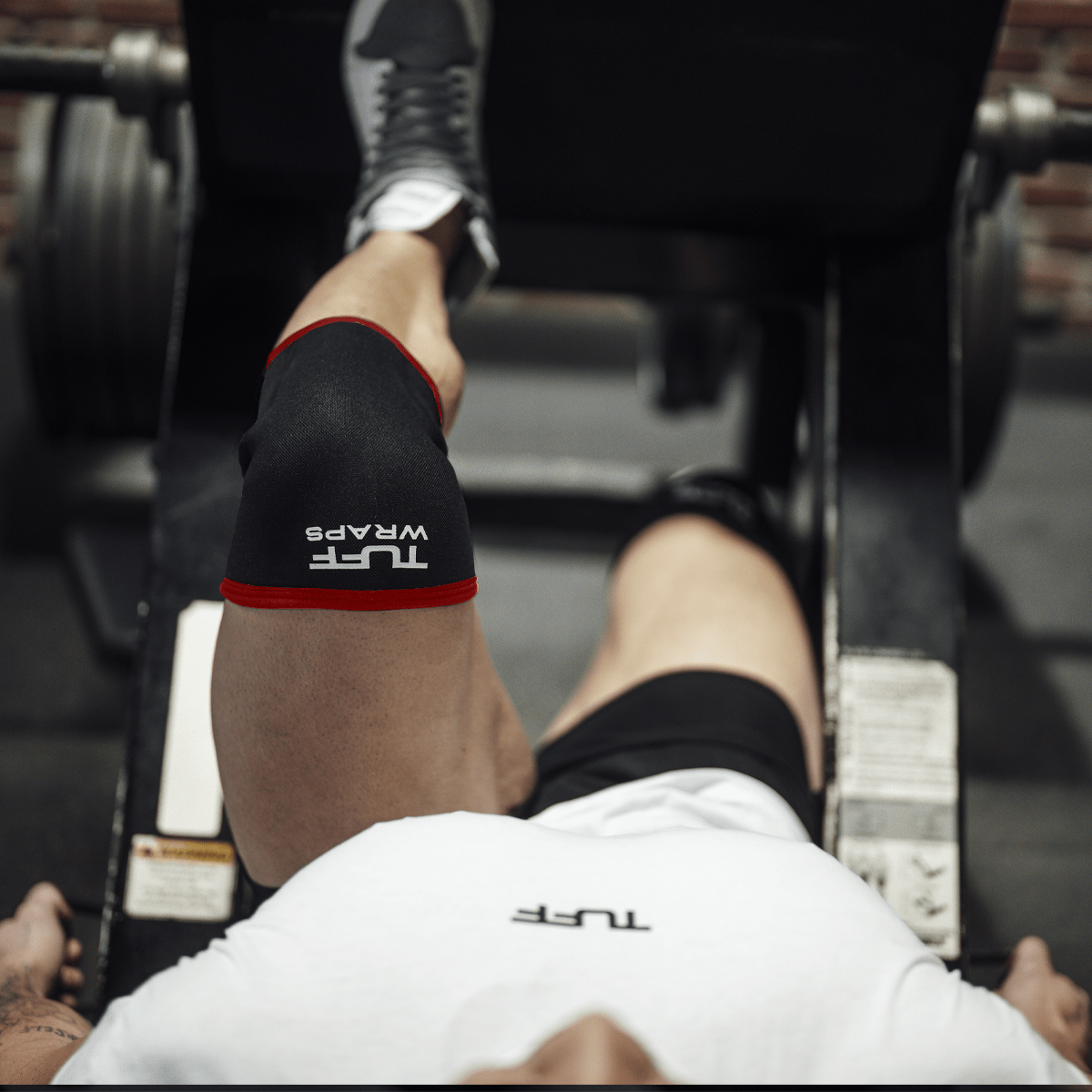
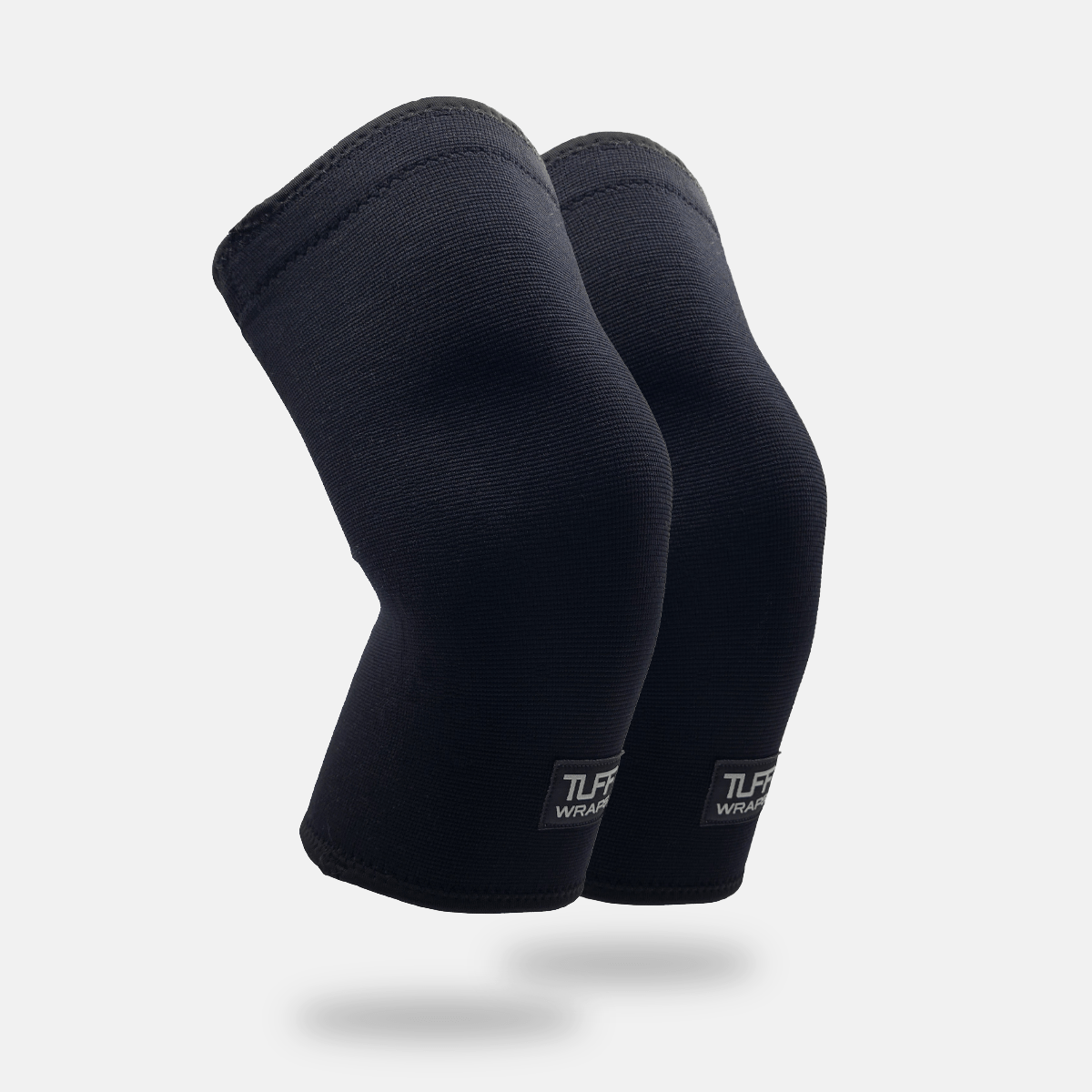
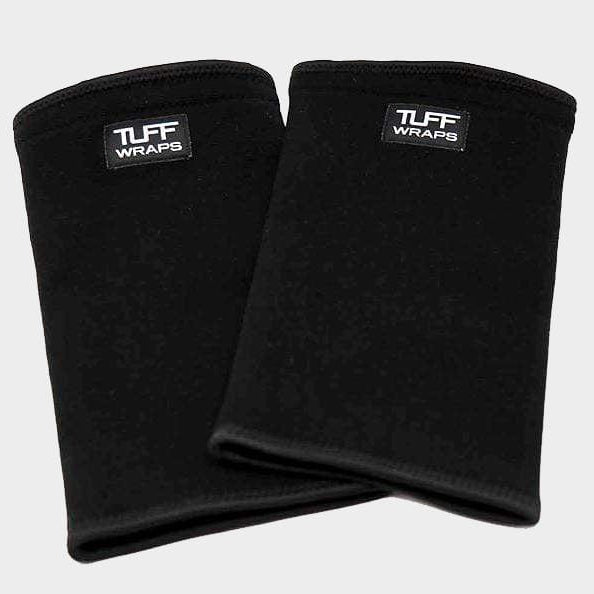
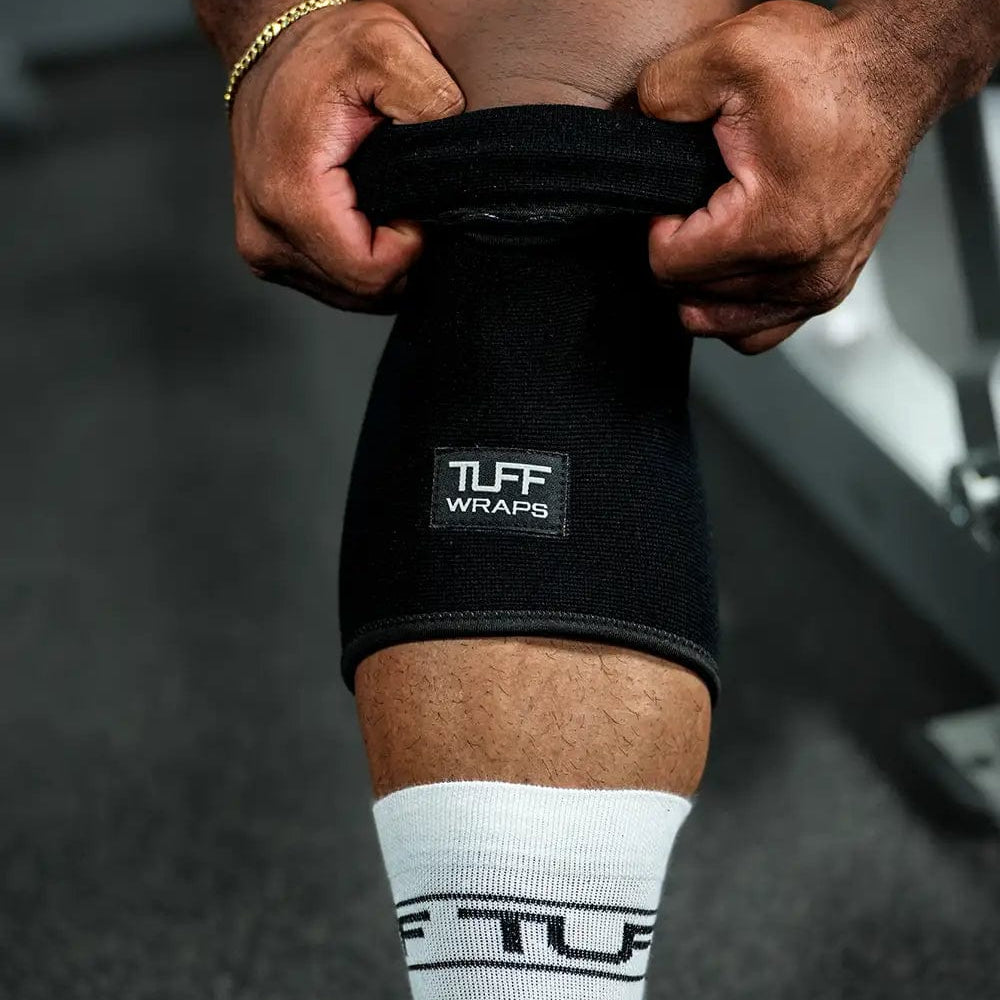
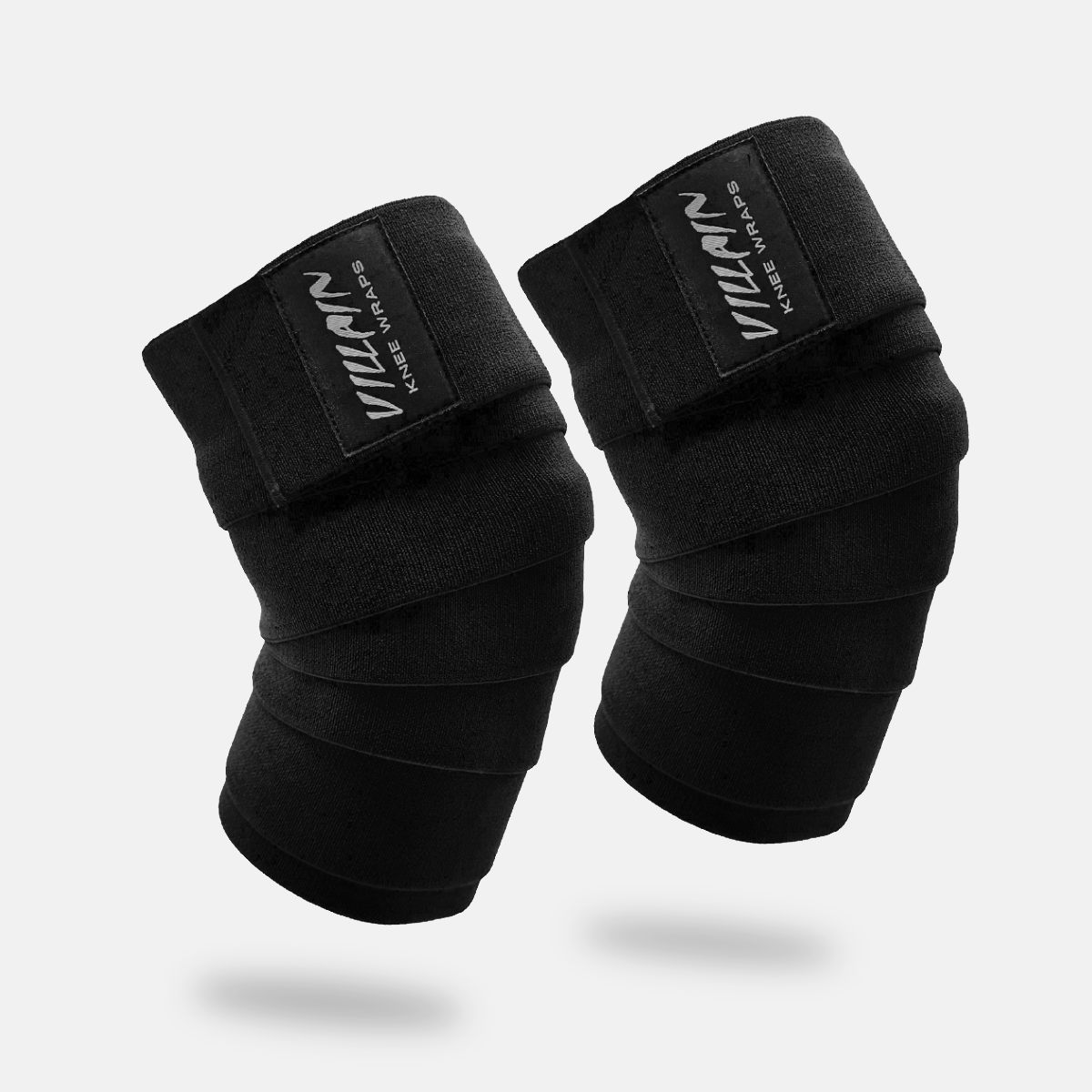
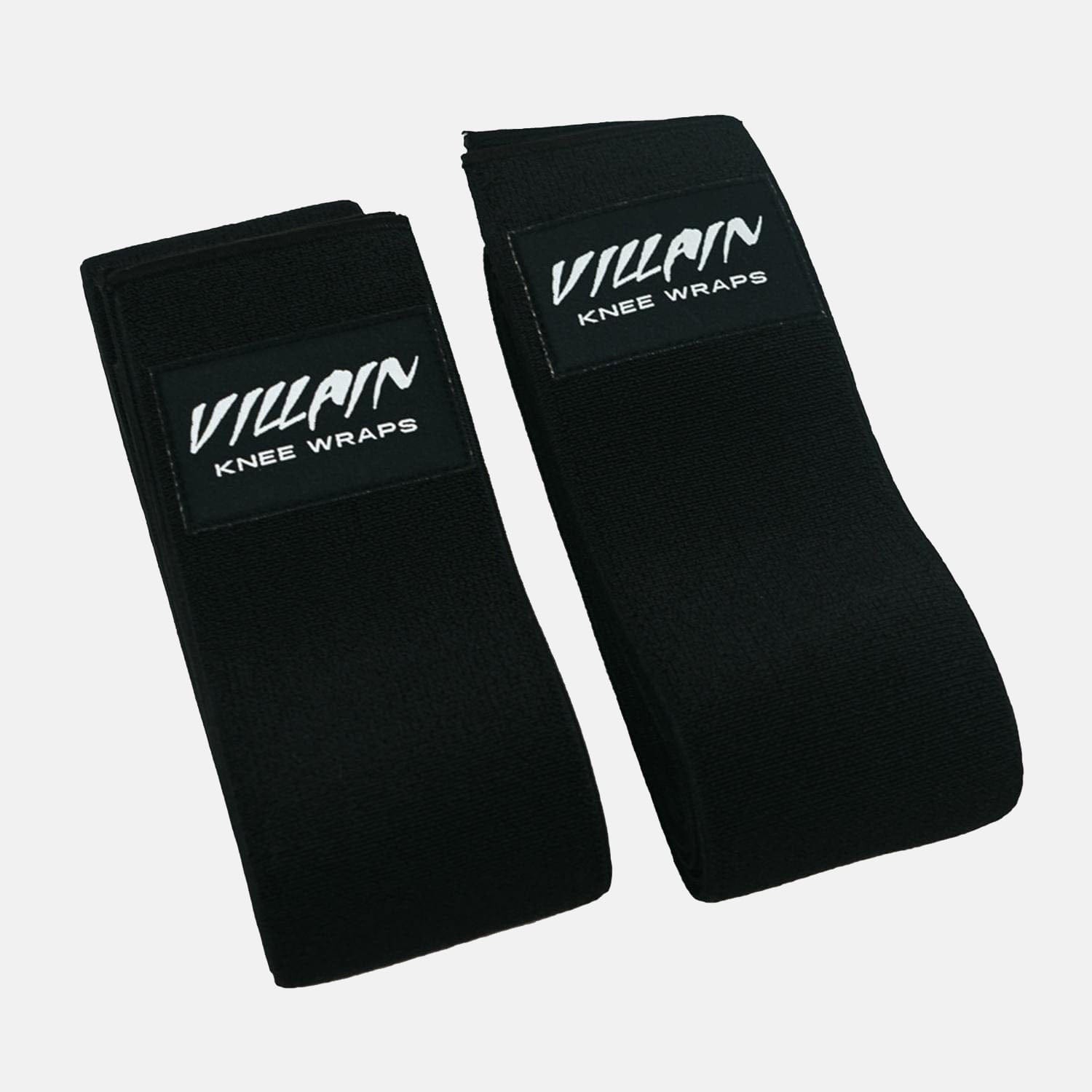
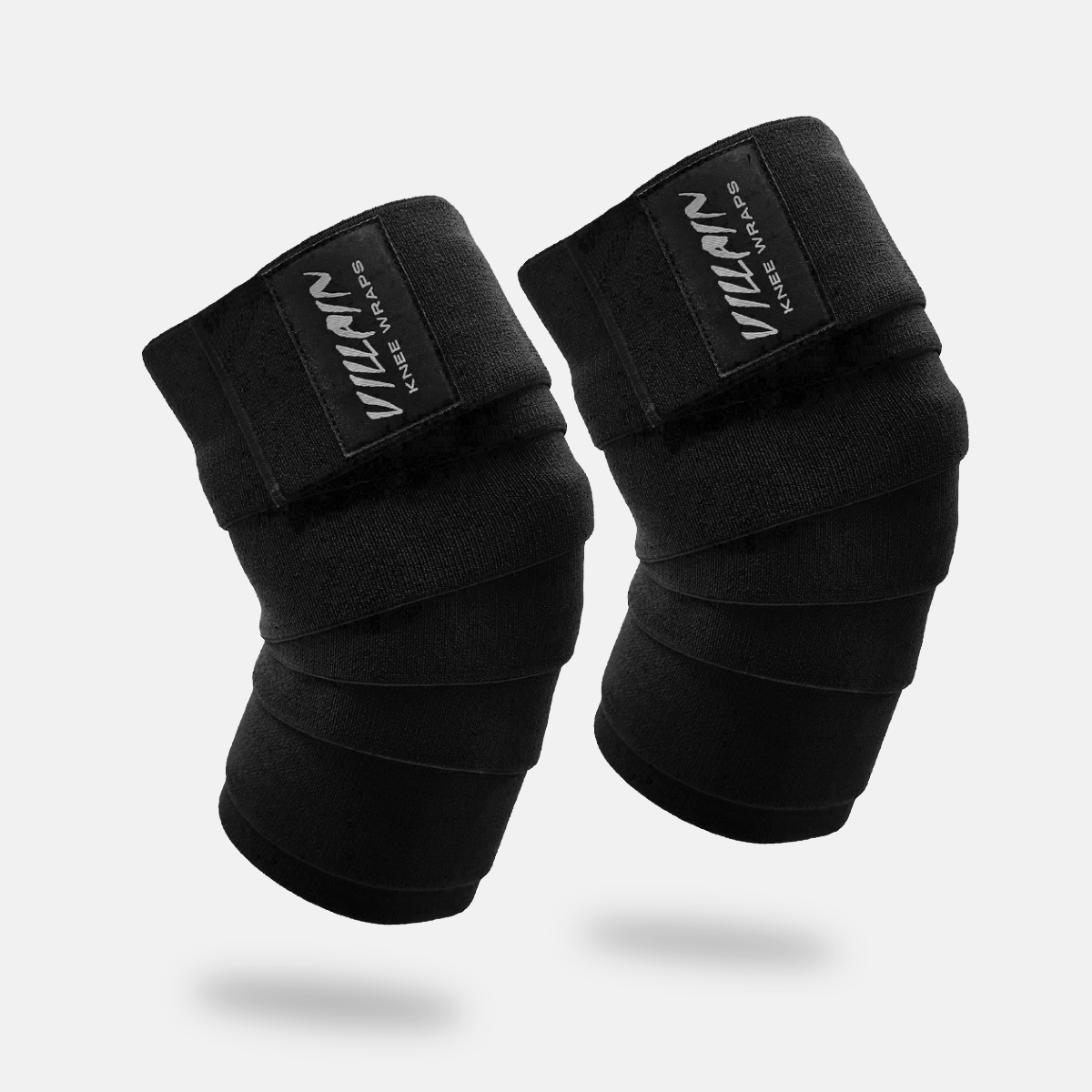
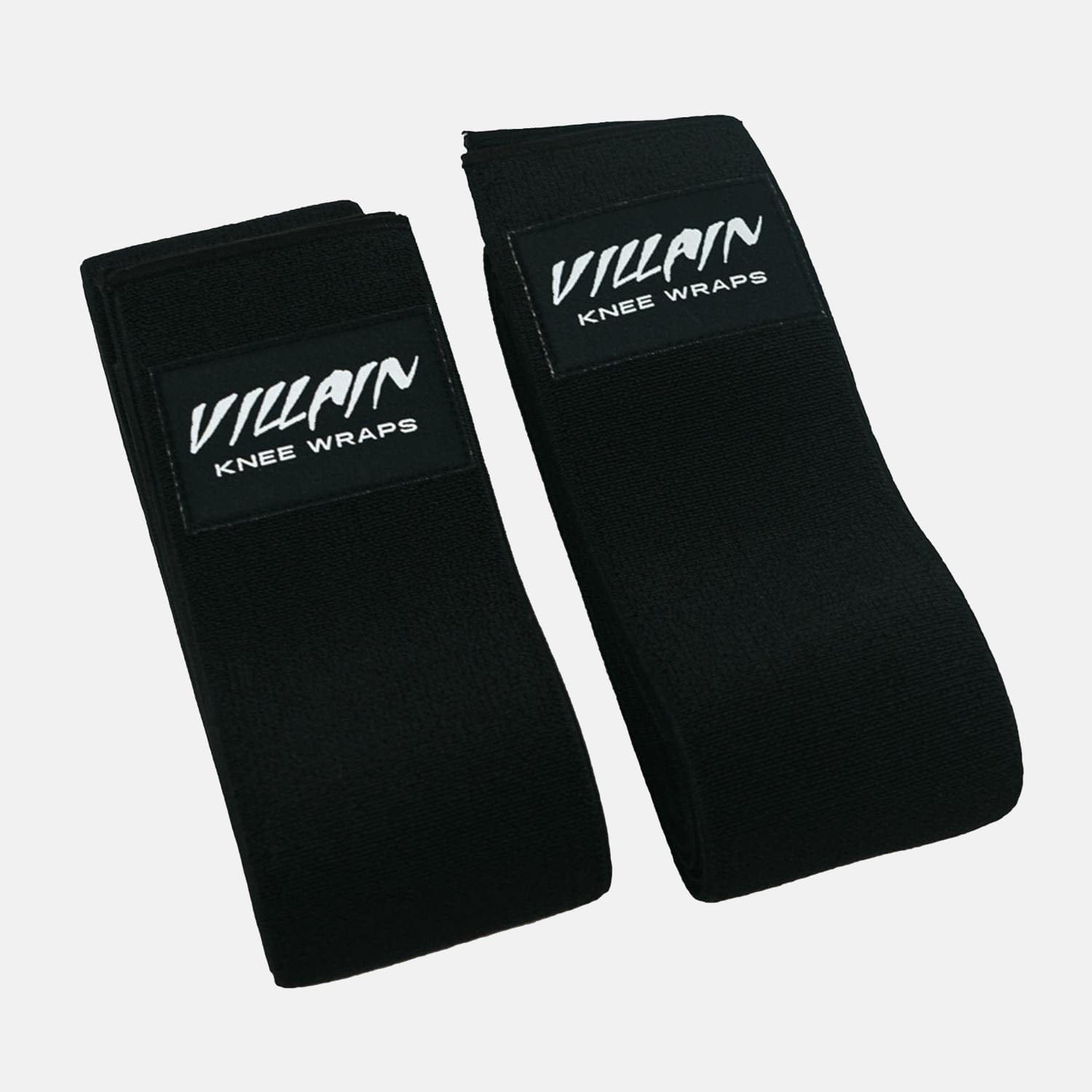
Knee sleeves slide on like a sock and provide consistent compression and warmth throughout your entire workout. They're made from neoprene or similar materials and stay in place once you put them on. Knee wraps are elastic bandages that you wrap around your knee joint, providing adjustable compression that can be loosened or tightened between sets. Sleeves are better for general support and blood flow, while wraps offer maximum support for maximal lifts. Compare options in our [knee sleeves](collections/knee-sleeves) and [knee wraps](collections/knee-wraps) collections.
When should I use knee support gear for lifting?
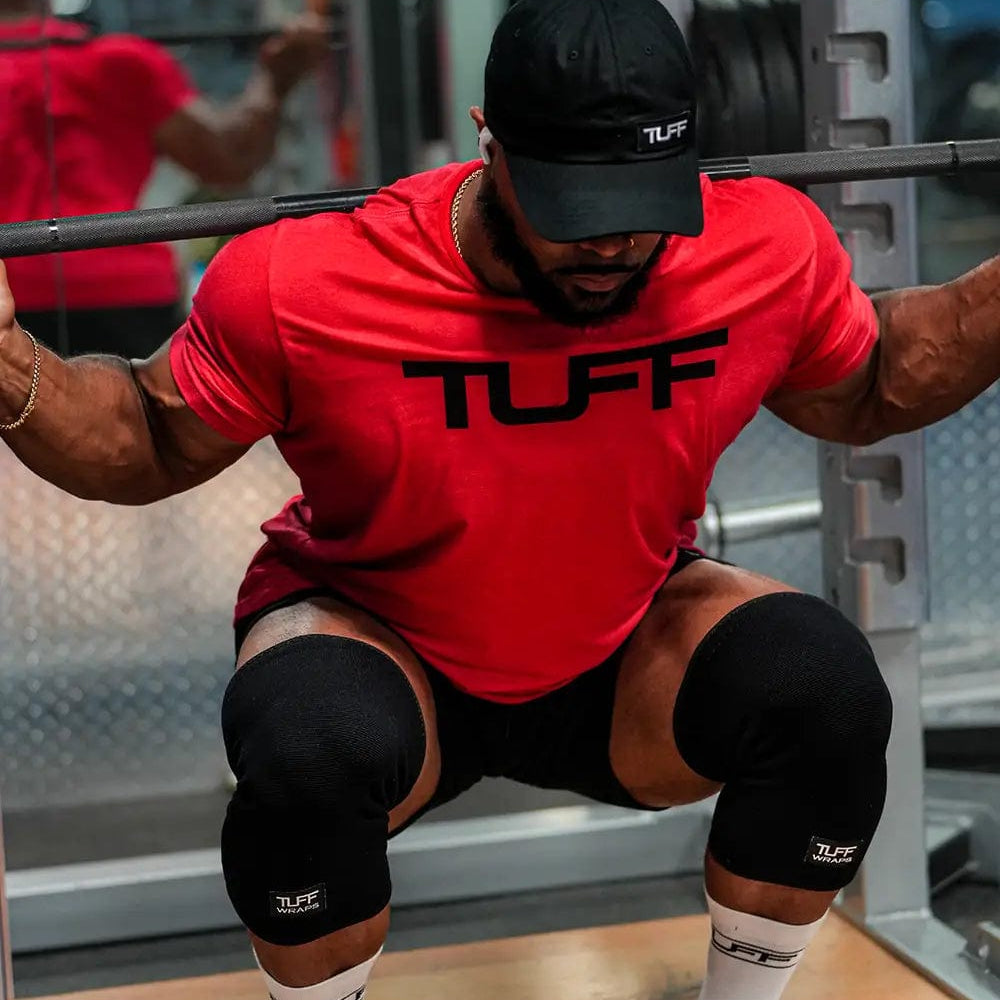
Use knee support when you're squatting or lunging heavy weight, training through minor knee discomfort, or working in a cold gym where your joints need extra warmth. Knee sleeves are great for everyday training because they improve blood flow and provide consistent support without restricting movement. Knee wraps should be reserved for maximal efforts because they're designed to add pounds to your squat through elastic assistance. Browse our [strength equipment](collections/strength-equipment) collection and read about [squatting and deadlifting](blogs/news/squat-and-deadlift-on-same-day) for programming guidance.
What thickness knee sleeves are best for squats?
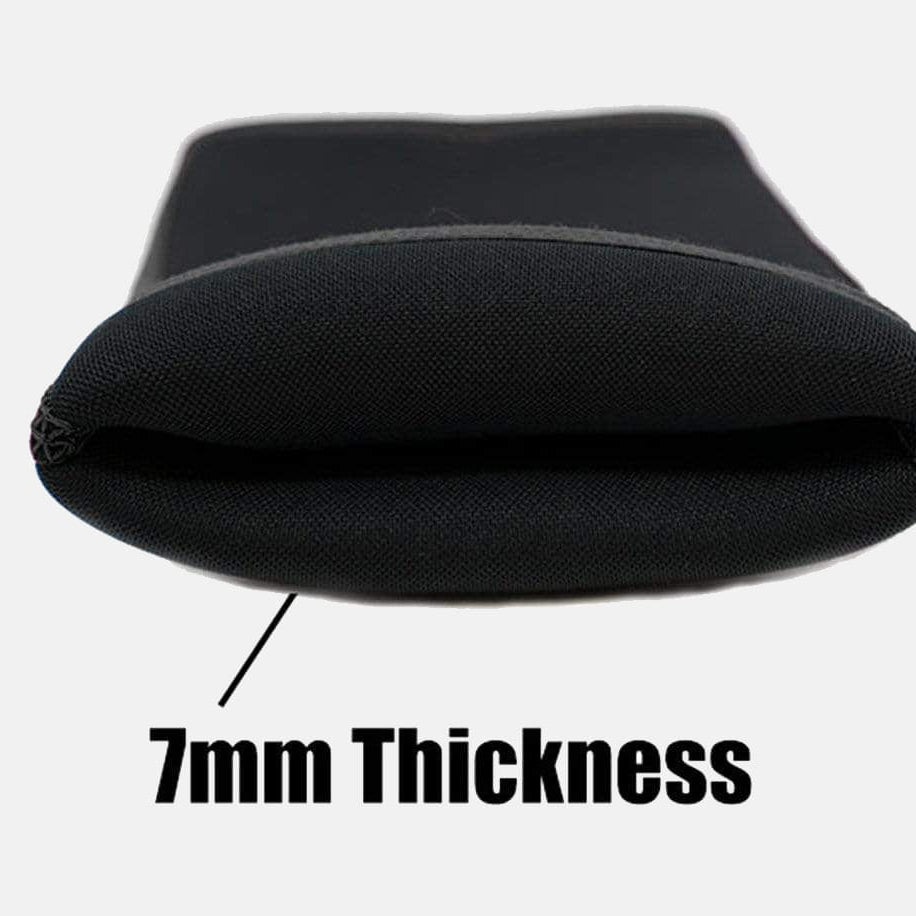
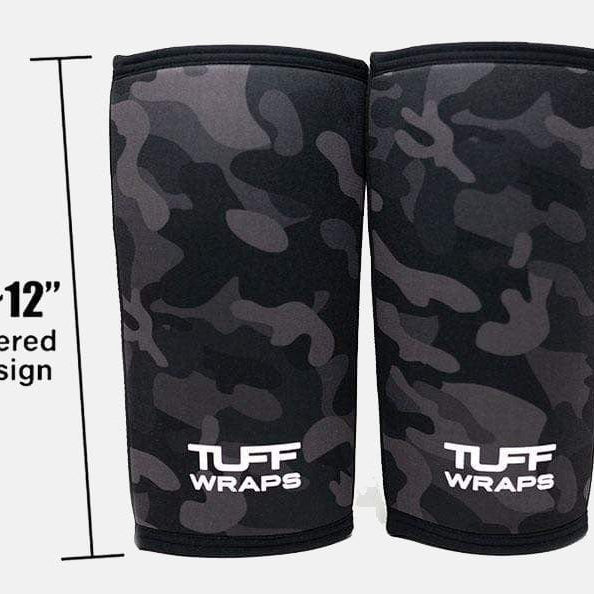
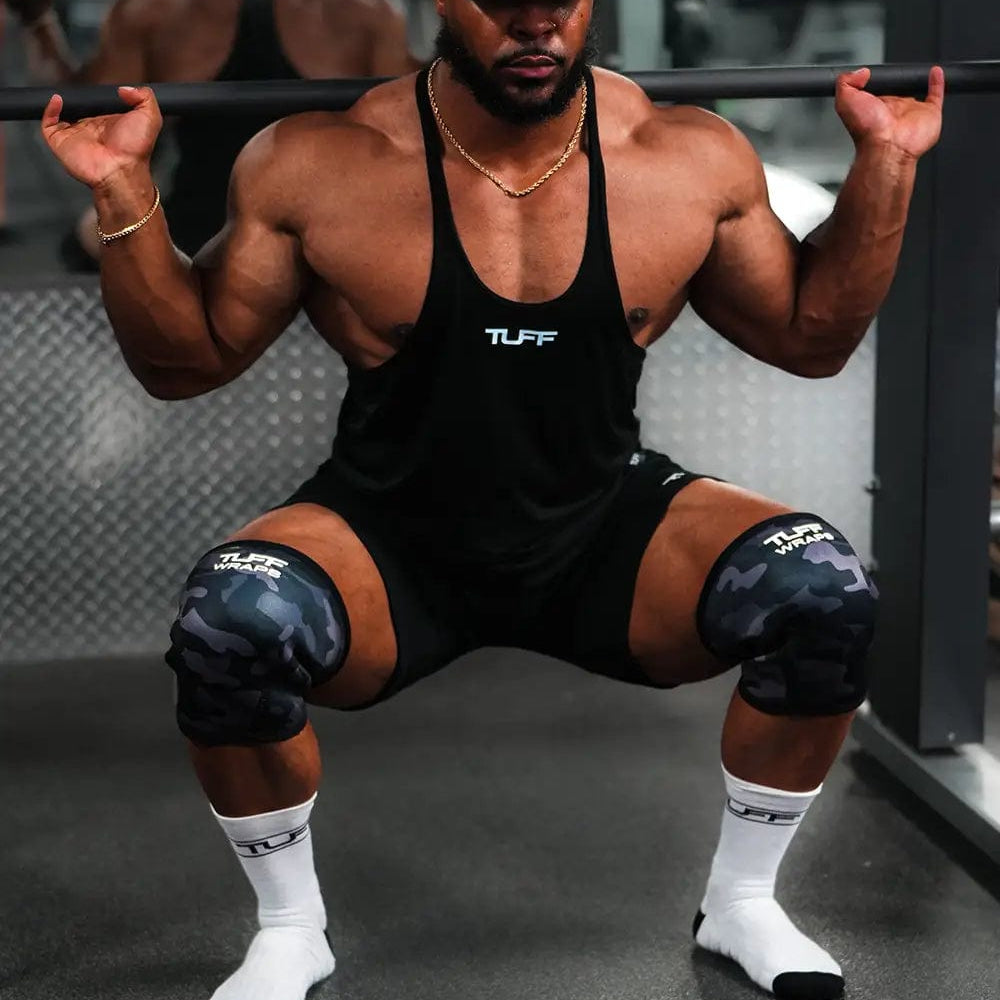
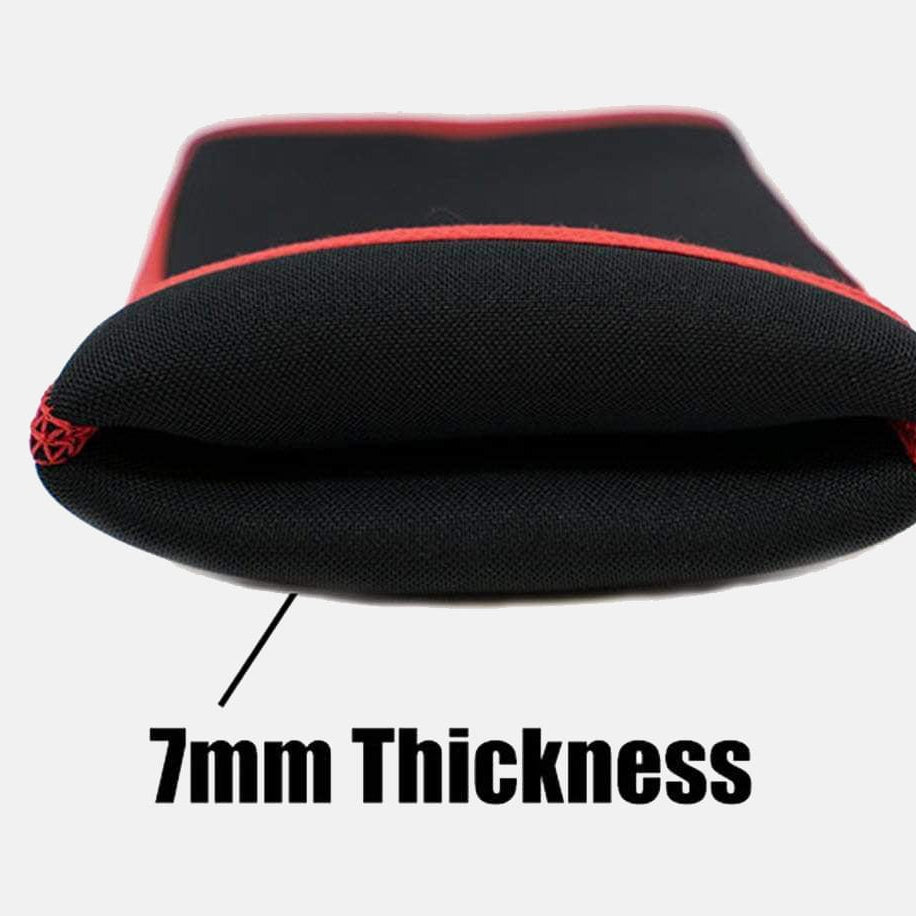
7mm knee sleeves provide the ideal balance of support and flexibility for most lifters. They offer significant compression and warmth without being so thick that they restrict your range of motion or feel bulky. 5mm sleeves work well for higher rep training or if you have limited space behind your knees, while 9mm sleeves provide maximum support for very heavy squatting. The key is finding thickness that supports your knees without changing your squat mechanics. Check our [knee sleeves](collections/knee-sleeves) and [double ply sleeves](collections/double-ply-sleeves) for thickness options.
Are knee supports allowed in powerlifting competitions?
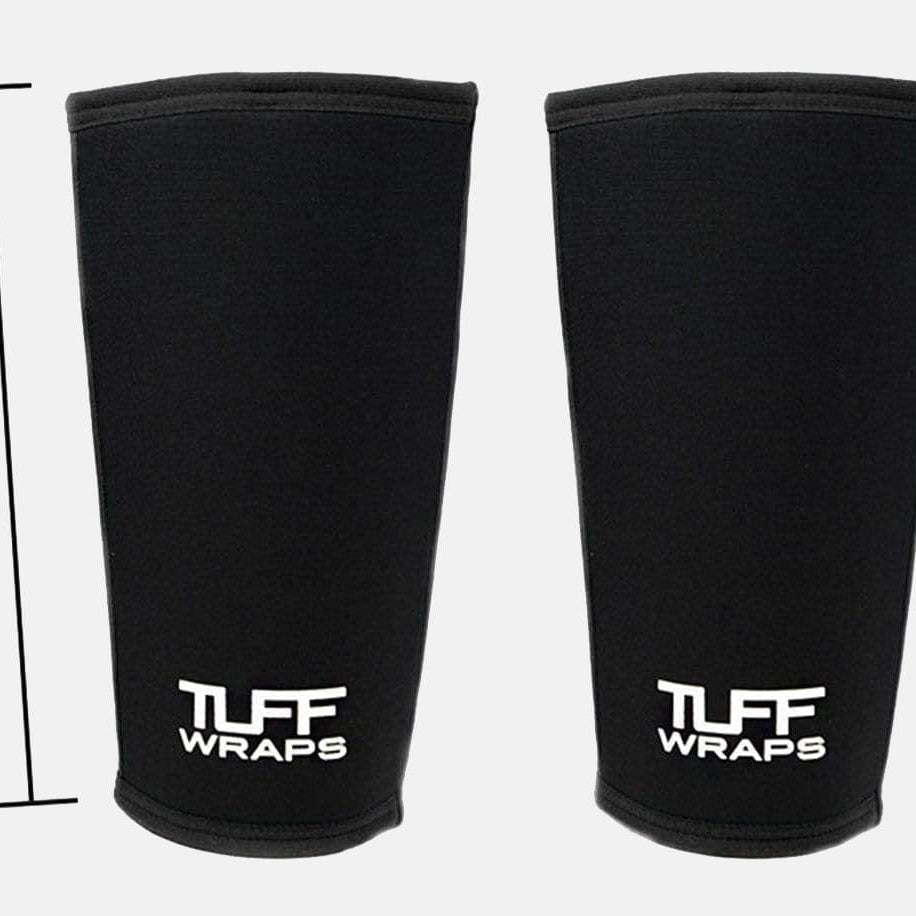
Knee sleeves are allowed in most powerlifting federations, but they must meet specific thickness and length requirements. Most federations allow up to 7mm thickness and specify maximum length from the center of the kneecap. Knee wraps are allowed in some divisions but not others, and they have strict width and length regulations. Always check your federation's equipment rules before competition day. Our [powerlifting competition guide](blogs/news/finding-a-powerlifting-competition-near-me) and [powerlifting belts](collections/powerlifting-belts) collection provide federation approved gear options.
How do I choose the right size knee support?
Measure your knee circumference at the center of your kneecap while standing with your leg straight. Knee sleeves should fit snugly without cutting off circulation or sliding down during movement. If you're between sizes, consider your preference for compression level and how you plan to use them. Tighter sleeves provide more support but can be uncomfortable for longer sessions. Looser sleeves are more comfortable but provide less compression. Our [elbow knee sleeves](collections/elbow-knee-sleeves) and [elbow knee supports](collections/elbow-knee-supports) include detailed sizing charts.
Can I wear knee supports for everyday workouts and running?
Yes, knee sleeves work well for most training activities because they improve blood flow and provide gentle compression without restricting natural movement patterns. They're particularly beneficial for activities that involve repetitive knee flexion or when training in cold conditions. However, avoid wearing them constantly outside of training because your knees need time to function without support to maintain natural stability. For running, choose thinner sleeves that won't trap excessive heat. Browse our [compression cuffs](collections/compression-cuffs) and [protection supports](collections/protection-supports) for activity specific options.